
Energy Efficiency Ratings for Induction Cooktops Explained
For B2B buyers in the kitchen appliance sector, understanding energy efficiency is no longer a niche concern—it is a core purchasing criterion. As global markets tighten regulations and consumers demand lower operating costs, the efficiency of cooking technology directly impacts product appeal and long-term value. Among the available options, induction cooktops have emerged as the clear frontrunner in energy performance. This article breaks down what efficiency ratings actually mean, how induction compares to other technologies, and what wholesalers should look for when sourcing products for 2026 and beyond.
The Science of Efficiency: Why Induction Leads the Market
To understand efficiency ratings, one must first understand how heat is generated. Conventional residential cooking tops typically employ gas or resistance heating elements to transfer energy with efficiencies of approximately 32% and 75-80% respectively, according to ENERGY STAR. Gas cooktops lose a significant portion of heat to the surrounding air, while traditional electric coils waste energy heating the glass surface before the pan ever warms.
Induction cooking operates on a fundamentally different principle. An electromagnetic coil creates a magnetic field when supplied with an electric current. When compatible cookware is brought into this field, the pan itself is warmed internally, rather than relying on thermal conduction from a heated element. This direct energy transfer results in dramatically less waste. Industry data from LeafScore indicates that induction cooktops are approximately 84% efficient, while the U.S. Department of Energy notes that induction appliances can be up to three times more efficient than gas stoves and up to 10% more efficient than conventional smooth-top electric ranges.
For B2B buyers, this efficiency translates into tangible selling points: faster boiling times, reduced energy bills for end users, and a smaller environmental footprint. In one documented experiment, an induction stovetop boiled water in just 5.8 seconds compared to 8.3 seconds with a gas stove. This performance advantage is reshaping consumer expectations, particularly in markets where electricity costs are high.
What to Look For in Efficiency Ratings and Product Specifications
When evaluating induction cooktops for wholesale distribution, efficiency is not always expressed as a single universal rating. Instead, buyers should examine power ratings, heating element configuration, and compliance with regional energy standards. Generally, the higher the power rating, the faster the cooking time, but efficiency is about how effectively that power is transferred to the cookware.
Golenda Appliances offers a range of portable induction and infrared cooktops that illustrate the importance of precise engineering. For example, the Golenda CHK-RTD2218 portable infrared cooktop delivers 2200W of precise heating power in a compact frame, featuring a black glass surface and touch controls. While infrared technology differs from induction, both approaches prioritize direct heat transfer and user control. For induction models, buyers should verify that the power rating is quoted for power delivered to the pan, as this is the industry standard for measuring true performance.
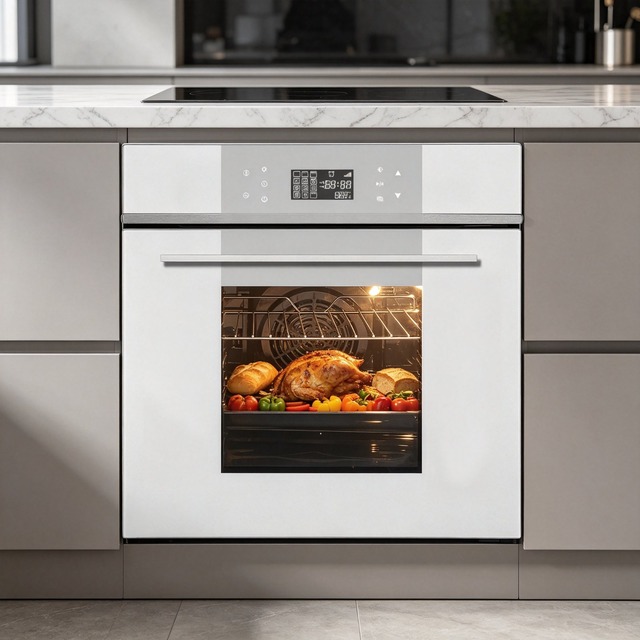
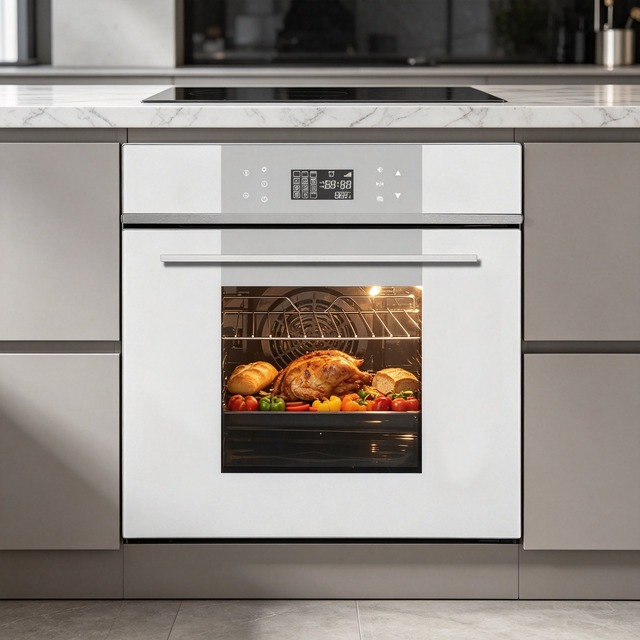
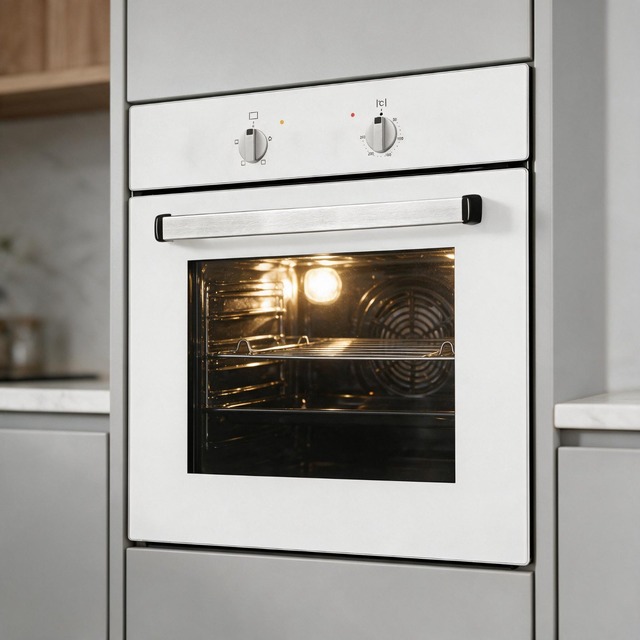
European buyers, in particular, should pay close attention to energy classifications for built-in appliances. Golenda’s built-in ovens, such as the BH-6A29J2T4 Aoms with 2900W total power and 13 cooking functions, and the BF-6A29E7E5 with 9 functions and convection element, are rated EU Class A. This classification signals compliance with stringent European energy efficiency directives, a critical factor for distributors targeting EU markets. As Europe advances new Ecodesign requirements for domestic cooking appliances and mandates emissions reporting for gas appliances, according to Mordor Intelligence, the shift toward efficient electric cooking is accelerating.
Market Trends and the Business Case for Efficiency
The commercial case for stocking efficient induction cooktops is compelling. The global induction cooktops market was valued at USD 24.79 billion in 2025 and is expected to reach USD 39.53 billion by 2035, growing at a CAGR of 4.78%. Europe dominated the household induction cooktops market in 2026 with a 38.6% share, driven by high electricity costs and strict environmental regulations. Meanwhile, the residential induction cooktops market is projected to grow from USD 16.49 billion in 2025 to USD 23.90 billion by 2031.
For wholesalers, these figures underscore a clear trajectory: efficiency is not a passing trend but a structural shift in consumer preference. NIQ’s Home Appliances Outlook for 2026 advises manufacturers and retailers to capitalize on early replacement cycles by presenting the long-term benefits of products that offer greater energy savings. Kitchen designers are also prioritizing sustainable features that still perform brilliantly, as noted by Harvey Jones in their 2026 designer’s guide.
Golenda Appliances is well-positioned to support this demand. The company recently unveiled a new production base operating under a comprehensive 4S management system, ensuring streamlined operations and strict quality control from raw components to finished products. This manufacturing investment reflects a commitment to consistency—an essential attribute when supplying efficiency-rated appliances at scale. Additionally, Golenda’s parent company, CHK, successfully listed on the Beijing Stock Exchange on May 27, marking its official entry into the capital market and supporting ongoing research and development of smart control technologies for home appliances.
Recent Company News
Golenda Appliances has made significant strides in manufacturing and corporate development. In November 2025, the company celebrated the launch of its new production base, which operates under a 4S management system with full automation, ensuring product consistency across the entire production process. The company has also established a multi-million-dollar annual innovation fund to drive core competitiveness and overcome external challenges. Furthermore, CHK, the parent entity, successfully listed on the Beijing Stock Exchange (Stock Code: 831167) on May 27, holding its listing ceremony at its headquarters in Guangming. These developments reinforce Golenda’s capacity to deliver reliable, energy-efficient appliances to global B2B partners.
Conclusion
Energy efficiency ratings for induction cooktops are more than a technical specification—they are a market differentiator. With induction technology achieving approximately 84% efficiency compared to 32% for gas and 74% for conventional electric, the performance gap is undeniable. For B2B buyers, sourcing products that meet EU Class A standards and incorporate advanced heating elements is essential for capturing demand in 2026 and beyond. Golenda Appliances offers a portfolio of built-in ovens, portable cooktops, and air fryers designed to meet these efficiency demands, backed by robust manufacturing capabilities and a commitment to innovation. As the market grows toward USD 39.53 billion by 2035, aligning with a manufacturer that prioritizes efficiency and quality is a strategic advantage.
About Golenda Appliances
Golenda Appliances is a Chinese OEM/ODM kitchen appliance manufacturer specializing in induction cooktops, infrared cookers, gas hobs, built-in ovens, range hoods, dishwashers, and air fryers. The company operates a new production base with 4S management and full automation, and has established a multi-million-dollar annual innovation fund. CHK, the parent company, is listed on the Beijing Stock Exchange (Stock Code: 831167). Golenda’s product lineup includes EU Class A built-in ovens such as the BH-6A29J2T4 Aoms and BF-6A29E7E5, as well as portable infrared cooktops and 5L air fryers with digital and mechanical controls.
Sources
- https://www.energystar.gov/partner-resources/products_partner_resources/brand-owner/eta-consumers/res-induction-cooking-tops
- https://en.wikipedia.org/wiki/Induction_cooking
- https://www.leafscore.com/eco-friendly-kitchen-products/which-is-more-energy-efficient-gas-electric-or-induction
- https://www.energy.gov/articles/making-switch-induction-stoves-or-cooktops
- https://www.consumerreports.org/appliances/ranges/pros-and-cons-of-induction-cooktops-and-ranges-a5854942923
- https://www.harveyjones.com/blog/planning/best-kitchen-appliances-2026
- https://nielseniq.com/global/en/insights/report/2025/home-appliances-outlook-2026-north-america
- https://www.snsinsider.com/reports/induction-cooktops-market-9823
- https://www.mordorintelligence.com/industry-reports/residential-induction-cooktops-market
- https://www.coherentmarketinsights.com/market-insight/household-induction-cooktops-market-4572