
CE, CB, and ETL Certification Guide for Kitchen Appliance Importers
For B2B buyers sourcing kitchen appliances from overseas manufacturers, navigating the certification landscape is often the most critical—and confusing—step in the supply chain. Whether you are importing induction cooktops, gas hobs, or range hoods, understanding the differences between CE, CB, and ETL marks can mean the difference between smooth market entry and costly customs delays. This guide breaks down what each certification means, when you need it, and how to verify that your OEM partner delivers compliant products.
Understanding the Core Certifications: CE, CB, and ETL
**CE Marking: The Gateway to the European Market**
The CE mark is a mandatory conformity mark for products sold within the European Economic Area. For kitchen appliances, the most relevant directive is the Low Voltage Directive (LVD) 2014/35/EU, which applies to electrical equipment operating within certain voltage limits—typically between 50 and 1000 volts for alternating current. Household appliances, including built-in ovens, induction hobs, and range hoods, fall squarely under this directive. The LVD ensures that equipment is designed and manufactured so that it does not endanger the safety of persons, domestic animals, or property when used properly.
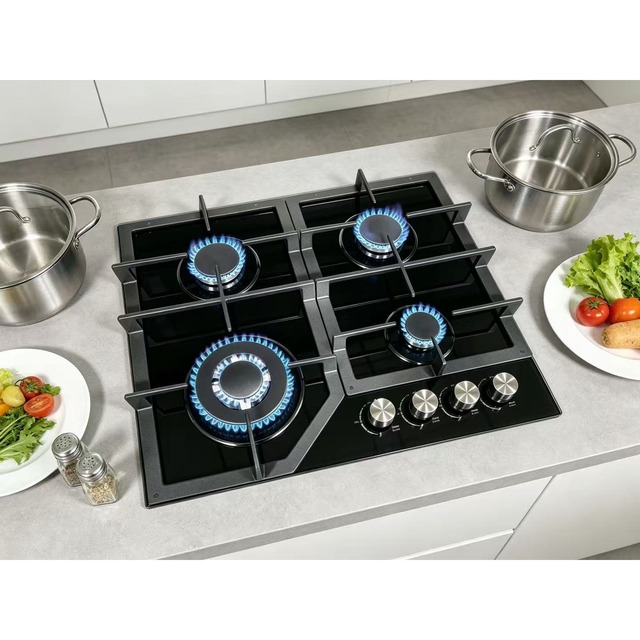
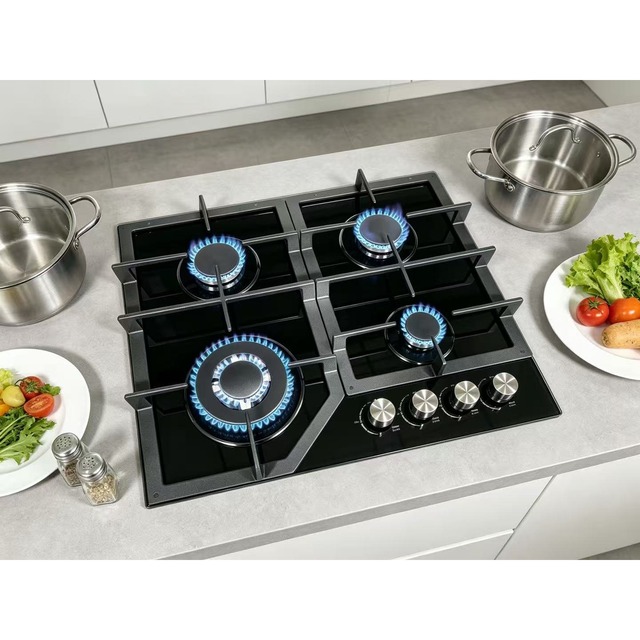
Beyond LVD, importers must also consider the Electromagnetic Compatibility (EMC) Directive and, for gas appliances, the Gas Appliance Regulation. CE marking is a self-declaration process, but it requires technical documentation, risk assessment, and often testing by a Notified Body. For a gas hob like Golenda’s GHG60-411SA—a 3.3kW built-in unit with three additional burners—the manufacturer must demonstrate compliance with both gas safety and electrical safety standards before affixing the CE mark.
**CB Scheme: The International Shortcut**
The CB (Certification Body) Scheme is an international system that facilitates the mutual recognition of test reports among participating countries. Operated by the IECEE, the CB Scheme allows a manufacturer to obtain a single test report that is accepted by national certification bodies across more than 50 countries. For importers, the CB certificate is not a market access mark itself, but it dramatically simplifies the process of obtaining national certifications like CE, ETL, or other local marks.
For example, if your OEM manufacturer has a CB test report for a portable induction cooktop, that same report can be used to support a CE declaration in Europe and to accelerate the ETL certification process in North America. This reduces both testing time and cost. When evaluating a supplier, ask whether they hold CB certificates for their core product lines—this is a strong indicator of a mature testing infrastructure.
**ETL: The North American Safety Mark**
The ETL Listed Mark is issued by Intertek, a global testing, inspection, and certification company. It is recognized in the United States and Canada, and it signifies that a product has been tested to meet the safety standards set by organizations such as OSHA (Occupational Safety and Health Administration) and the Standards Council of Canada. For kitchen appliances—including induction cooktops, range hoods, and dishwashers—the ETL mark is a widely accepted alternative to UL certification. Many retailers and distributors in North America require either ETL or UL certification before they will list a product.
It is important to note that ETL certification is not a one-time event. It involves initial product testing, followed by periodic factory inspections to ensure ongoing compliance. This means your OEM partner must maintain consistent manufacturing quality. Golenda Appliances, for instance, operates its production base under a comprehensive 4S management system, which supports consistent quality control—an essential prerequisite for maintaining ETL certification over time.
Practical Steps for Importers: What to Verify with Your OEM
**Step 1: Map Certification Requirements to Your Target Market**
Before you even contact a factory, you must know which certifications your target market demands. For Europe, CE is mandatory. For the US and Canada, ETL or UL is typically required by retailers and regulators. For global distribution, a CB certificate is a valuable asset. Do not assume that a single certification covers all markets. A product with CE marking alone cannot be legally sold in the US as compliant with local safety standards.
**Step 2: Request Documentation and Verify Validity**
When evaluating a potential OEM partner, request copies of their current certificates. Check the product model numbers listed on the certificate—they must match the specific SKU you intend to import. Also, verify the issuing body and the certificate’s validity period. Certifications are not permanent; they require renewal and periodic audits. A supplier who cannot provide valid, in-date documentation should raise immediate red flags.
**Step 3: Understand the Difference Between “Certified” and “Reported”**
Some factories may present test reports that are not actual certifications. A test report shows that a sample passed certain tests, but it does not grant the right to apply a certification mark. Only a certification body can issue a mark. Ensure that your supplier has the legal right to affix the CE mark (for self-declared directives) or holds a formal ETL/UL listing for the product.
**Step 4: Factor Certification Costs into Your Sourcing Budget**
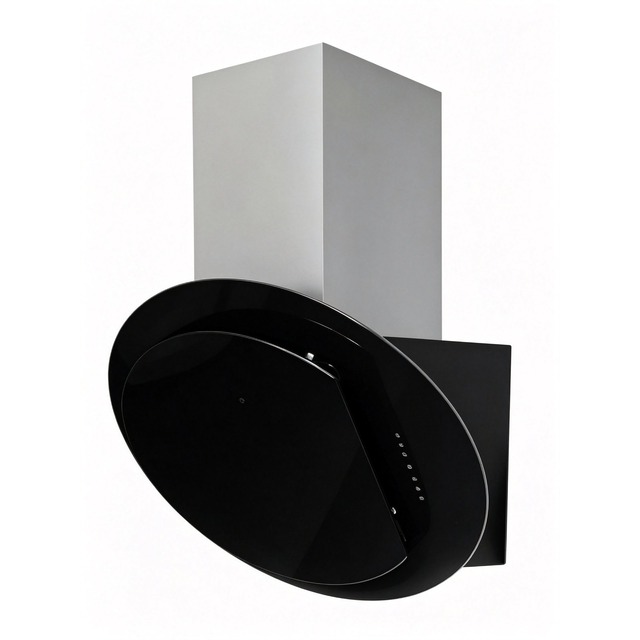
Certification is not free. ETL testing for a new induction cooktop can cost thousands of dollars, and annual factory inspections add ongoing expenses. Some OEM manufacturers include certification costs in their product pricing; others charge separately. Clarify this early in negotiations. Working with a manufacturer that already holds certifications for similar products—such as Golenda’s 3500W built-in induction hob (Model PIDD12B35CA) or their 750m³/h range hoods—can significantly reduce your time-to-market and certification expenses.
**Step 5: Plan for Gas Appliance Specifics**
Gas hobs and cooktops require additional scrutiny. In Europe, gas appliances must comply with the Gas Appliance Regulation (EU) 2016/426, which requires involvement of a Notified Body for certain product categories. In North America, gas appliances must meet ANSI standards, and certification typically involves testing for gas leakage, flame stability, and carbon monoxide emissions. Golenda’s 5-burner stainless steel gas hob, with a 3.3kW maximum burner, is an example of a product that would require both gas and electrical safety testing for most markets.
Recent Company News
Golenda Appliances has made notable strides in manufacturing capability. In November 2025, the company launched a new production base operating under a comprehensive 4S management system, designed to ensure streamlined operations and strict quality control from raw components to finished products. The facility emphasizes full automation, which supports consistency—a key factor for maintaining certifications like ETL, which require ongoing factory audits.
Additionally, the parent company, CHK, successfully listed on the Beijing Stock Exchange on May 27 (Stock Code: 831167), marking its official entry into the capital market. This milestone reflects a long-term commitment to the research and development of smart control technologies for home appliances. Golenda has also announced a multi-million-dollar annual innovation fund to drive core competitiveness, signaling sustained investment in product development and testing capabilities.
Conclusion
Certification is not a bureaucratic hurdle—it is a competitive advantage. Importers who understand the distinctions between CE, CB, and ETL can negotiate better terms, avoid costly delays, and bring safer, more reliable products to market. When selecting an OEM partner, prioritize manufacturers with documented certification histories, robust quality management systems, and a transparent approach to compliance. Ask for certificates, verify model numbers, and plan for ongoing audit requirements. By doing so, you protect your brand, your customers, and your bottom line.
About Golenda Appliances
Golenda Appliances is a Chinese OEM/ODM manufacturer specializing in kitchen appliances, including induction cooktops, infrared cookers, gas hobs, built-in ovens, range hoods, dishwashers, and air fryers. The company operates a new production base with advanced 4S management and full automation, launched in November 2025. Golenda is part of CHK, which listed on the Beijing Stock Exchange in May 2025. The company has established a multi-million-dollar annual innovation fund to support technology-driven product development. Representative products include the GHG60-411SA 3.3kW built-in gas hob, the CV60BK/B-V1T1N 750m³/h wall-mounted range hood, and the PIDD12B35CA 3500W built-in induction hob.
Sources
- Sofeast: Kitchen Electrical Appliances: Tips for UL & CE Certification — https://www.sofeast.com/knowledgebase/kitchen-electrical-appliances-ul-ce-certification-tips
- Certification Experts: A complete guide to CE marking and CB certification — https://certification-experts.com/a-complete-guide-to-ce-marking-and-cb-certification-of-electrical-equipment
- Pro Restaurant Equipment: NSF, CE, ETL, and UL Certifications — https://www.prorestaurantequipment.com/blog/nsf-ce-etl-and-ul-certifications-what-do-they-mean
- Compliance Gate: Kitchen Appliance Regulations in the United States — https://www.compliancegate.com/kitchen-appliance-regulations-united-states
- Intertek: ETL Listed Mark — https://www.intertek.com/product-certification-marks/etl