
Commercial Kitchen Appliance Maintenance Best Practices for B2B Buyers and Operators
For any food service operation, the reliability of commercial kitchen appliances determines whether service runs smoothly or collapses during peak hours. Commercial kitchen appliance maintenance determines whether a kitchen operates with consistency and control or struggles with costly breakdowns during peak service. For B2B buyers—dealers, distributors, and restaurant groups—understanding maintenance best practices is not just an operational concern; it is a financial strategy that protects capital investments and ensures food safety compliance.
Building a Preventative Maintenance Culture
A preventative maintenance plan is one of the smartest investments for any food service operation. Rather than reacting to failures, proactive care extends the lifespan of equipment and reduces the frequency of emergency repairs. The first step is documentation. Writing a maintenance schedule down and assigning responsibility for each task is what makes it actually happen. A maintenance checklist posted in the kitchen, with clear ownership of who does what and when, turns maintenance from a good intention into a consistent practice.
Daily tasks should include wiping down exterior surfaces, cleaning cooking zones, and inspecting visible wiring or gas connections. Weekly checks might involve deep-cleaning filters, calibrating thermostats, and testing safety features such as flame failure devices on gas hobs. Monthly reviews should include professional inspections of gas lines, electrical connections, and internal components. For operations using multiple appliance types—from gas hobs to built-in ovens—a unified logbook helps track service history and identify recurring issues before they escalate.
The financial case is compelling. Routine care protects safety, extends equipment life, and prevents the costly downtime that comes with unexpected failures. For B2B buyers supplying appliances to restaurants, recommending a structured maintenance schedule adds value to the sale and reduces warranty claims.
Zone-by-Zone Care: Gas Hobs, Induction Cooktops, and Ovens
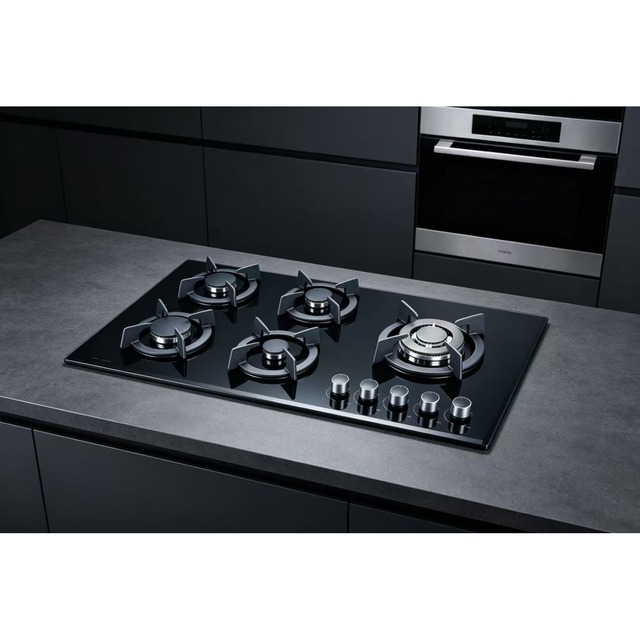
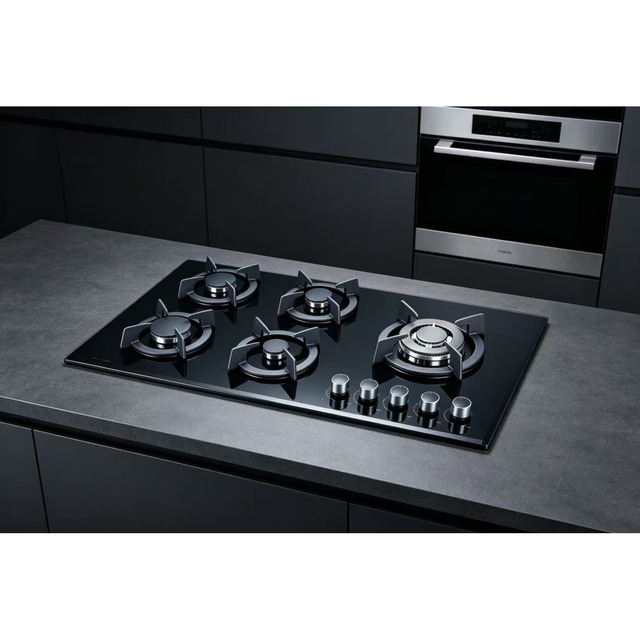
Different cooking technologies demand distinct maintenance approaches. For gas hobs, such as Golenda’s built-in gas cooktops featuring Chinese Sabaf burner systems and tempered glass panels, the priority is keeping burner ports clear of food debris and grease. Blocked ports cause uneven flames and incomplete combustion, which wastes gas and increases carbon monoxide risk. Daily brushing of burner caps and periodic soaking in warm, soapy water keeps flame patterns consistent. Check injector nozzles and gas valves annually, especially in high-volume kitchens where vibration and heat can loosen fittings.
Induction and infrared cooktops require less intensive maintenance but still need disciplined care. Golenda’s 4200W built-in infrared cooktop with touch control and 99-minute timer, as well as its portable induction cooktops with A-grade micro-crystal panels, rely on clean glass surfaces for optimal heat transfer. Spills that are baked on can reduce efficiency and are harder to remove over time. Use ceramic cooktop cleaners and soft pads only—abrasive tools scratch the surface and create spots where food sticks. For portable induction cookers, check the cooling fan vents weekly; dust accumulation causes overheating and premature component failure.
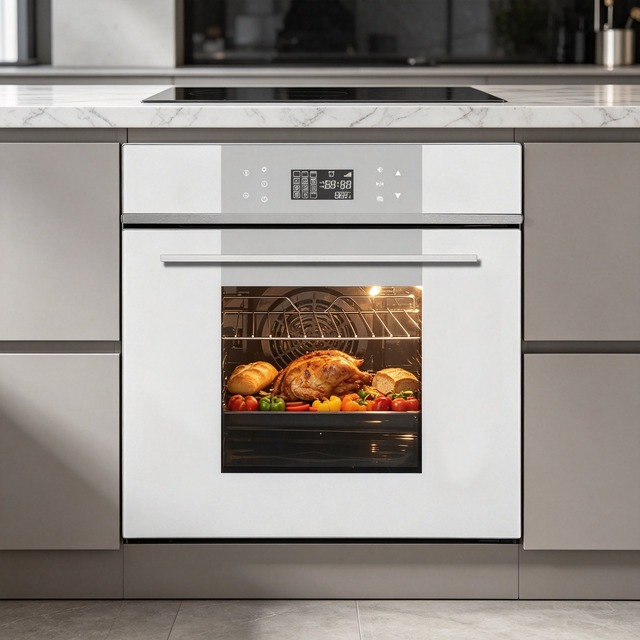
Built-in ovens, such as Golenda’s 2900W model with 13 cooking functions and enamelled cavity, benefit from regular door seal checks. A worn gasket leaks heat, forcing the oven to work harder and increasing energy consumption. Clean the cavity after each heavy use, but avoid harsh chemicals on enamel surfaces. Periodically remove and clean chrome side racks and check that shelf positions slide smoothly. For pyrolytic or catalytic models, follow the manufacturer’s cycle recommendations precisely.
Grease Management and Ventilation Hygiene
One of the most overlooked maintenance areas is grease management. Maintaining a grease management routine helps avoid expensive repairs and extends the life of commercial kitchen appliances. Grease accumulation affects not only cooking equipment but also ventilation systems. Clean grease traps and exhaust hood filters every shift to maintain airflow, reduce fire hazards, and support proper fryer operation. In kitchens using gas hobs and ovens, a clogged exhaust system can cause heat to back up into the appliance, accelerating wear on electronic components.
Use food-safe degreasers designed for commercial kitchens to maintain compliance and efficiency. Household cleaners may leave residues that contaminate food surfaces or react with stainless steel. For deep cleaning, schedule a professional hood and duct cleaning at least quarterly, or more frequently for high-volume operations. This practice not only protects equipment but also satisfies fire safety inspections and health department requirements.
Drain and strain fryer oil daily to preserve flavor consistency and extend oil life. While this tip is specific to fryers, the principle applies broadly: clean cooking media and surfaces reduce strain on heating elements and sensors across all appliance types. For induction and infrared units, ensure that cookware bottoms are clean and flat—debris between the pan and glass creates hot spots that can crack ceramic surfaces.
Recent Company News
Golenda Appliances continues to expand its B2B catalog with professional-grade cooking solutions. Recent additions include a 900×510mm built-in gas hob with a Triple Ring Wok Burner (3.3kW) and dual ignition options (DC 1.5V/AC 110-240V), supporting both natural gas and liquefied petroleum gas. The company also offers a 4-burner gas hob model (E60-4022G) with tempered glass construction, alongside built-in infrared cooktops and portable induction cookers engineered for demanding environments. These products reflect Golenda’s focus on durable materials and user-friendly controls, though specific certifications and awards are not disclosed.
Conclusion
Commercial kitchen appliance maintenance is not a one-time event but a continuous discipline. For B2B buyers, recommending and supporting preventative maintenance programs builds long-term customer trust and reduces costly callbacks. Daily cleaning, scheduled professional inspections, and disciplined grease management protect gas hobs, induction cooktops, infrared cookers, and built-in ovens from premature failure. In an industry where downtime directly impacts revenue, maintenance is not an expense—it is an investment in operational reliability.
About Golenda Appliances
Golenda Appliances is a Chinese OEM/ODM kitchen appliance manufacturer specializing in induction cooktops, infrared cookers, gas hobs, built-in ovens, range hoods, dishwashers, and air fryers. The company supplies B2B partners with a range of built-in and portable cooking solutions, including gas hobs with Sabaf burner systems, infrared cooktops with touch controls, and portable induction cookers with micro-crystal panels. Golenda focuses on practical design and professional-grade performance for wholesale and distribution channels.
Sources
- https://smartcaresolutions.com/resources/blog/8-expert-tips-to-maintain-commercial-kitchen-equipment-and-prevent-downtime/
- https://quickservant.com/maintaining-commercial-kitchen-equipment/
- https://www.vancorr.com/2026/08/03/tips-on-how-to-maintain-your-commercial-kitchen-equipment/
- https://www.rti-inc.com/blog/commercial-kitchen-appliance-maintenance/
- https://www.webstaurantstore.com/article/538/equipment-maintenance-checklist.html