
Three topics come up in almost every first conversation between a buyer and a Chinese induction cooktop manufacturer: minimum order quantity, production lead time, and shipping. Understanding the realistic parameters for each prevents planning errors and helps manage supply chain expectations from the start.
Minimum Order Quantities (MOQ)
MOQ policies vary by manufacturer and product type. Manufacturers producing standard catalogue products often accept initial orders from 20–50 units. OEM orders — with custom branding, modified specifications, or bespoke packaging — typically require 100–500 units per model, because the setup and tooling costs of customisation must be amortised across a sufficient production run to make the unit economics work.
If your required volume falls below a manufacturer’s standard MOQ, several approaches exist: negotiate a higher unit price to compensate for the smaller run, combine multiple models to reach the total MOQ threshold, or place an initial order on standard (non-customised) products while establishing the relationship before moving to OEM options in subsequent orders.
Production Lead Times
Standard catalogue products without customisation can typically be produced within 15–25 working days after deposit payment and specification confirmation. OEM orders with custom branding and packaging usually require 30–45 working days. More complex customisations — unique housing designs, new certification requirements, or significant electronics modifications — can require 60–90 days.
Chinese national holidays cause significant production delays that buyers often underestimate. The Chinese New Year (typically late January or February) results in factory closures of 2–4 weeks, plus a period of reduced capacity before and after as workers travel. The National Day Golden Week holiday in October causes a similar but shorter disruption. If your order timeline falls near these periods, discuss it explicitly with the manufacturer and adjust delivery expectations accordingly.
Shipping Options
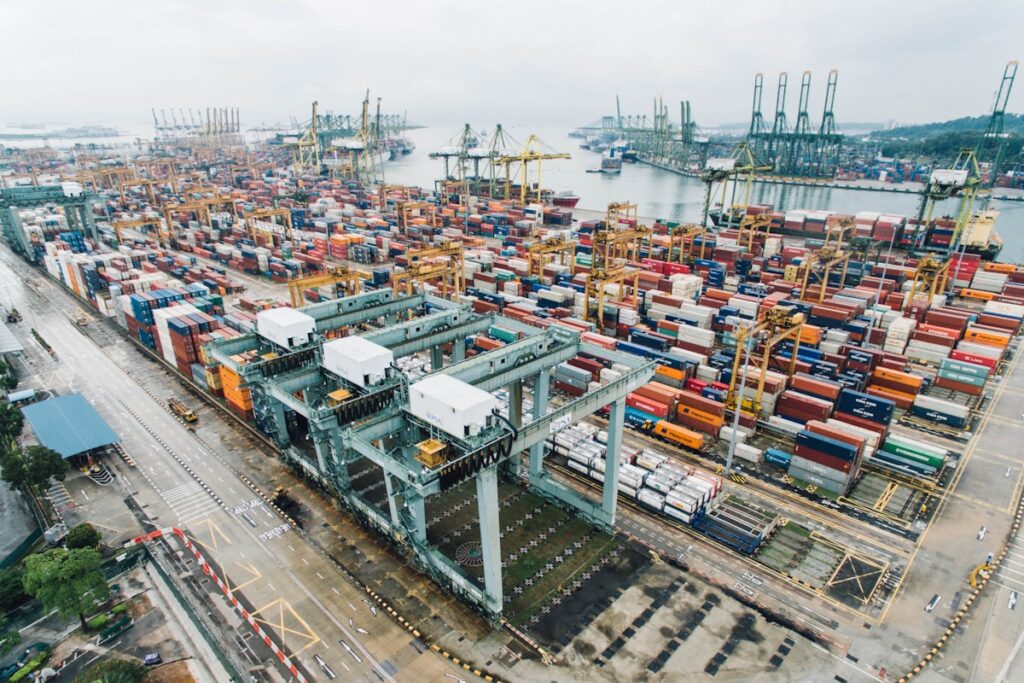
Sea freight is the standard mode for volume commercial cooktop orders. A standard 20-foot container holds approximately 400–600 single-zone units depending on packaging dimensions. Transit times from Guangdong (the main manufacturing hub) run approximately 25–35 days to Northern Europe, 15–20 days to the Middle East, and 20–25 days to the US East Coast. LCL (Less than Container Load) consolidation is available for smaller shipments that do not fill a full container.
Air freight is appropriate for samples and urgent small-quantity orders, but at 5–8 times the per-kilogram cost of sea freight. For routine commercial volumes, sea freight is the economically practical option.
Incoterms
FOB (Free On Board) is the most commonly used Incoterm for experienced importers sourcing from China — the supplier delivers goods to the export port and the buyer arranges international freight and insurance. CIF (Cost, Insurance, Freight) is sometimes offered by suppliers and includes freight and insurance to the destination port, but gives the buyer less control over carrier selection and freight costs. Clarify Incoterms explicitly in the purchase contract.
Golenda Appliances provides clear MOQ and lead time commitments, and works with experienced freight forwarders who support buyers new to China sourcing. Contact us to discuss your supply chain requirements.