
Kitchen Appliances Industry Trends 2026: What B2B Buyers Need to Know
The 2026 Landscape: Precision, Sustainability, and Smart Integration
The global kitchen appliances market is on a clear upward trajectory. Valued at USD 242.30 billion in 2024, it is projected to reach USD 428.23 billion by 2034, growing at a CAGR of 5.9%. For B2B buyers—distributors, importers, and private-label brands—understanding the forces behind this growth is no longer optional. It is the difference between stocking products that move and inventory that gathers dust.
Three macro trends define 2026. First, precision cooking has moved from a premium niche to a mainstream expectation. Homeowners increasingly demand appliances that deliver consistent results, intuitive controls, and advanced cooking modes that simplify complex recipes. This is especially visible in kitchens that combine built-in refrigeration, wall ovens, cooktops, and dishwashers into a single, visually cohesive design. Second, sustainability is no longer a marketing buzzword; it is a purchasing criterion. Europe, which dominated the global household induction cooktops market in 2026 with a 38.6% share, leads this charge due to high electricity costs, strict environmental regulations, and government incentives. Third, smart technology continues its relentless march. The smart kitchen appliances market is growing at a CAGR of 11.6%, with North America leading and Europe showing steady demand for premium, eco-friendly connected devices.
Asia Pacific remains the largest regional market, valued at USD 52.79 billion in 2025, supported by strong demand for innovative appliances and rapid urbanization. For B2B buyers, this means sourcing partners must be able to deliver both volume and versatility—products that meet European energy standards, North American smart-home compatibility, and Asian market price points simultaneously.
What B2B Buyers Should Look For in an OEM/ODM Partner
The trends above translate into concrete sourcing requirements. Here is what procurement teams and brand owners should prioritize when evaluating manufacturers.
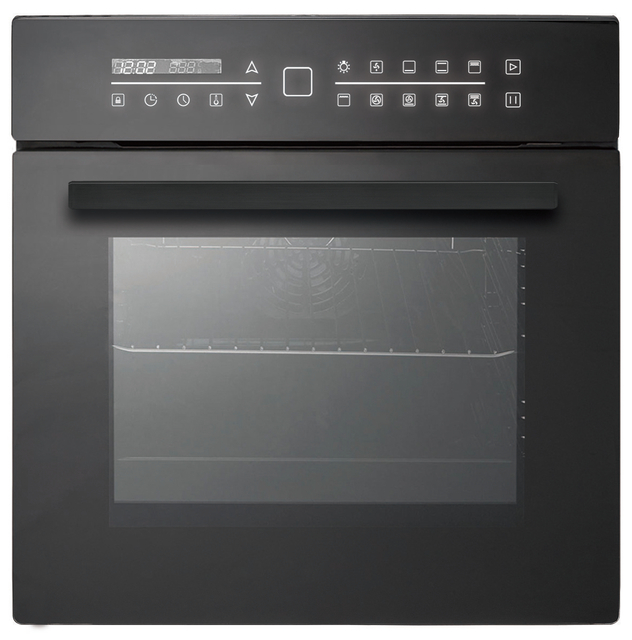
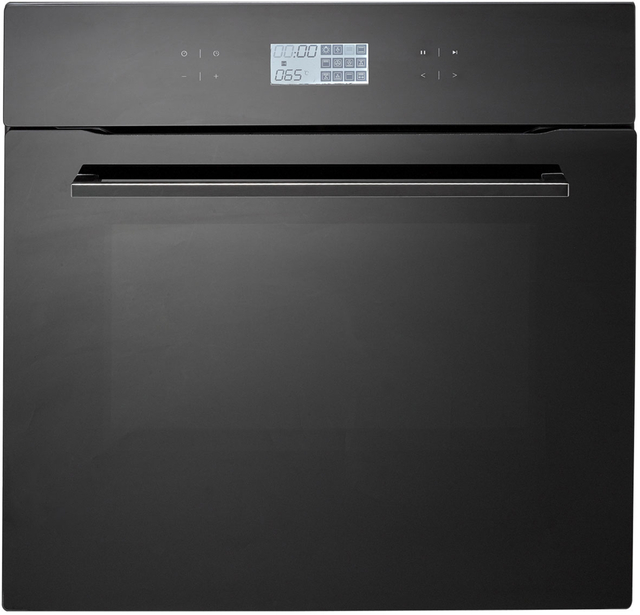
**Built-in versatility and multi-functionality.** The demand for precision cooking has elevated the role of the built-in oven. Buyers should look for models that offer multiple cooking modes without complexity. For example, Golenda Appliances offers a premium single built-in oven with 12 selectable cooking functions via a clean touch-button interface. This level of versatility—from baking and roasting to drying—allows distributors to serve a wide range of consumer preferences with a single SKU. Similarly, a 2200W single stainless steel built-in oven with a 2-layer tempered glass mirror door provides heat retention and visibility, making it suitable for both household and hotel environments. The key is to source products that bridge the gap between professional capability and home-user simplicity.
**Energy efficiency and insulation as a selling point.** With European regulations tightening and consumers increasingly energy-conscious, insulation quality is a critical differentiator. Golenda’s single 60L stainless steel built-in oven features a triple-layer glass door for superior insulation and energy efficiency, paired with a convection fan for even heat distribution and an enamel-lined interior for easy cleaning. For buyers targeting the premium residential segment, such features are not optional—they are the entry ticket. A 70L built-in oven with turbo convection and 2900W power offers faster, more even baking while reducing maintenance time, addressing the busy household demographic that prioritizes convenience.
**Induction is non-negotiable.** The induction cooktops market was valued at USD 24.79 billion in 2025 and is expected to reach USD 39.53 billion by 2035, at a CAGR of 4.78%. Induction stoves heat pans more rapidly and evenly than gas or traditional electric stoves, and the ongoing electrification efforts across Europe and parts of North America are accelerating adoption. B2B buyers should ensure their product mix includes induction cooktops that pair well with built-in ovens and range hoods. Golenda’s wall-mounted chimney range hood, with dual 1.5W LED lighting and 220V operation, is designed for efficient smoke and odor extraction and pairs well with both gas and induction cooktops—a practical example of how complementary products should be sourced together.
**Manufacturing credibility and innovation capacity.** Beyond product specs, buyers must evaluate the manufacturer’s operational backbone. Golenda Appliances, for instance, launched a new production base in November 2025 operating under a comprehensive 4S management system with full automation. This ensures streamlined operations, strict quality control, and superior product consistency from raw components to finished goods. Additionally, the company has established a multi-million-dollar annual innovation fund to drive core competitiveness, signaling a long-term commitment to R&D. For B2B buyers, such investments translate into supply stability, consistent quality, and a pipeline of future-ready products. The recent listing of CHK (Stock Code: 831167) on the Beijing Stock Exchange—a company dedicated to smart control technologies for home appliances—further underscores the financial and technological maturity of the Chinese appliance manufacturing ecosystem.
Conclusion
The 2026 kitchen appliance market rewards buyers who align with three pillars: precision cooking, energy efficiency, and smart integration. The data is clear—induction is growing, built-in ovens are becoming the centerpiece of modern kitchens, and sustainability is a regulatory and consumer imperative. When selecting an OEM/ODM partner, prioritize manufacturers with demonstrated production discipline, innovation funding, and a product portfolio that covers the full built-in kitchen ecosystem. Golenda Appliances, with its range of built-in ovens, range hoods, and induction cooktops, and its recent production base expansion, exemplifies the kind of partner that can help B2B buyers navigate these trends with confidence.
About Golenda Appliances
Golenda Appliances is a Chinese OEM/ODM manufacturer specializing in kitchen appliances, including induction cooktops, infrared cookers, gas hobs, built-in ovens, range hoods, dishwashers, and air fryers. The company operates a fully automated production base under a 4S management system and supports OEM branding across its product lines. Golenda participated in the Canton Fair in April 2026, expanding its global reach to international buyers.
Sources
- https://www.dewaardandbode.com/blog/kitchen-appliance-design-trends
- https://www.shopsilica.com/blog/top-kitchen-appliance-trends
- https://www.kitchenbathdesign.com/essential-options-cooking-appliance-trends
- https://www.fortunebusinessinsights.com/kitchen-appliances-market-104504
- https://www.polarismarketresearch.com/industry-analysis/kitchen-appliances-market
- https://www.snsinsider.com/reports/induction-cooktops-market-9823
- https://www.coherentmarketinsights.com/market-insight/household-induction-cooktops-market-4572
- https://www.cognitivemarketresearch.com/induction-cooktop-market-report
- https://www.tastingtable.com/2064805/induction-stoves-2026-kitchen-trend
- https://market.us/report/smart-kitchen-appliances-market
- https://www.marketresearchfuture.com/reports/smart-kitchen-appliances-market/companies