
EU Energy Label Requirements for Kitchen Appliances: A 2026 B2B Compliance Guide
For manufacturers and suppliers of kitchen appliances, the European Union remains one of the world’s most regulated—and most rewarding—markets. Whether you produce induction cooktops, gas hobs, built-in ovens, or range hoods, understanding EU energy labelling and ecodesign requirements is not optional. It is a legal precondition for market access. As a Chinese OEM/ODM manufacturer serving global buyers, Golenda Appliances closely monitors these evolving rules to help partners navigate compliance with confidence.
The Regulatory Framework: What B2B Buyers Must Know
The EU’s approach to energy efficiency rests on two pillars: the Energy Labelling Regulation and the Ecodesign Directive. Together, they establish product-specific requirements that apply to a wide range of cooking and cleaning appliances, heating and cooling units, electronics, and lighting products. Importantly, these obligations extend to all manufacturers—including those based outside the EU—who wish to place products on the European market.
Under current rules, manufacturers and importers must register their products in the EPREL database (European Product Registry for Energy Labelling) before they can be sold in the EU. This registration is a mandatory step, not a voluntary certification. According to the European Commission, the database serves as a central repository for energy labelling information, enabling market surveillance authorities and consumers to verify compliance.
For kitchen appliances specifically, the scope of energy labelling varies by product category. CE marking is required for all electrical kitchen appliances sold in the EU, and the WEEE symbol (crossed-out wheelie bin) must appear on electronic products to indicate separate collection requirements. Energy labels are mandatory for certain categories, including domestic ovens, range hoods, dishwashers, and refrigerated appliances. Notably, electric ovens and dishwashers fall under mandatory EU Energy Label requirements, while gas hobs and induction cooktops are subject to ecodesign and safety regulations but do not currently carry the same mandatory energy label obligations as their electric oven counterparts.
What Changed in 2021 and What It Means for 2026
The EU introduced a rescaled energy label in March and September 2021, moving from A+++ to G ratings back to a simpler A to G scale. This recalibration was designed to make labels more understandable for consumers and to leave room for future innovation. Under the new framework, refrigerators and freezers must meet a minimum class F, while washing machines, washer-driers, dishwashers, TVs, and lighting products are permitted across all classes. For lighting, standby power must not exceed 0.5 watts.
For B2B buyers sourcing kitchen appliances, these changes have practical implications. A product that previously carried an A++ rating may now only achieve a B or C on the new scale. This does not mean the product is less efficient—it simply reflects a more stringent grading system. However, it does mean that buyers must verify current label classifications when comparing products from different suppliers.
Looking toward 2026, market trends indicate that energy efficiency will remain a central purchasing criterion. Industry research from Mordor Intelligence notes that Europe is advancing new Ecodesign requirements for domestic cooking appliances and mandating emissions reporting for gas appliances. This regulatory push is accelerating the shift toward induction technology. The same report projects that the residential induction cooktops market will grow from USD 16.49 billion in 2025 to USD 23.90 billion by 2031, with Europe leading adoption due to high electricity costs and strict environmental regulations.
Practical Compliance Steps for Importers and Distributors
For companies importing kitchen appliances into the EU, compliance begins long before products reach port. The first step is confirming that your manufacturing partner understands and documents the applicable requirements. This includes verifying that products carry the correct CE marking, that energy labels are printed in the required format, and that EPREL registration has been completed for applicable categories.
Buyers should also pay attention to testing requirements. Independent testing laboratories, such as Intertek, provide local testing services for EU Energy Label compliance according to the relevant directives. These tests verify energy consumption, performance characteristics, and other resource usage data that must appear on the label. Working with a manufacturer that has established testing protocols can significantly reduce time-to-market and compliance risk.
For gas appliances, additional considerations apply. Gas hobs must meet safety and efficiency standards under the Gas Appliances Regulation, and products must be tested for compliance with relevant EN standards. Golenda’s gas hob range, including models with Chinese Sabaf Triple Ring Wok Burners and 4-burner stainless steel configurations supporting both NGI and LPG, demonstrates how manufacturers can design for European market requirements while delivering professional-grade performance.
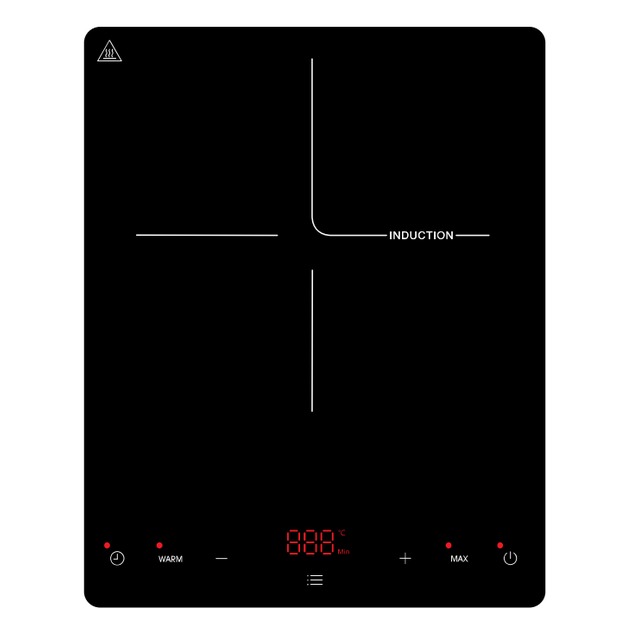
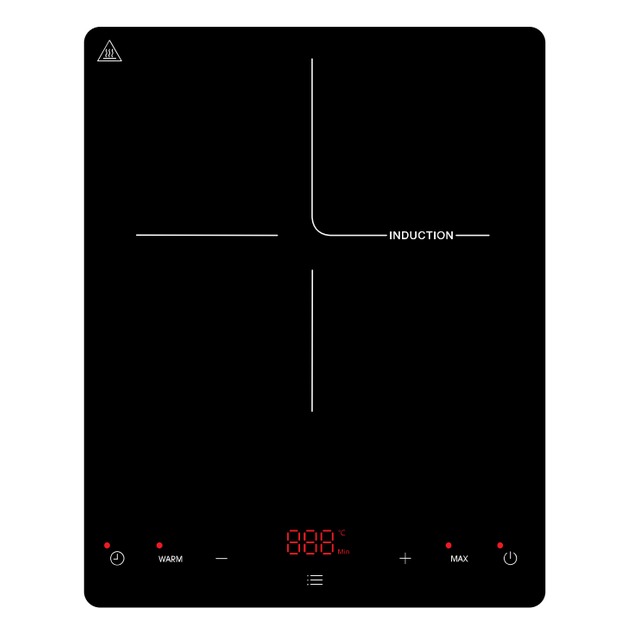
Induction cooktops, while not currently subject to mandatory energy labelling in the same way as ovens or dishwashers, still benefit from demonstrating efficiency credentials. Golenda’s built-in induction hobs, such as the 7000W three-zone model with 9 power stages and the 2000W single-zone IS2001 with touch control, are engineered for precise cooking with reduced energy waste compared to traditional electric coils. As Europe’s induction cooktop market continues to expand—with one analysis estimating Europe’s share of the global household induction cooktop market at 38.6% in 2026—buyers should prioritise suppliers who can document efficiency and safety compliance across their product lines.
Recent Company News
Golenda Appliances continues to strengthen its manufacturing capabilities to support global partners. In November 2025, the company launched a new production base operating under a comprehensive 4S management system, ensuring streamlined operations, strict quality control, and superior product consistency across the entire production process. The facility features full automation, reflecting Golenda’s commitment to manufacturing excellence.
The company’s parent organisation, CHK, successfully listed on the Beijing Stock Exchange on May 27, trading under stock code 831167. This milestone marks CHK’s official entry into the capital market and supports ongoing research and development of smart control technologies for home appliances. Additionally, Shenzhen Xinhuike has announced the establishment of a multi-million-dollar annual innovation fund, signalling a strategic commitment to overcoming external challenges and maintaining market leadership through sustained creativity.
Conclusion
EU energy labelling and ecodesign requirements are not static regulations—they are evolving instruments designed to drive market transformation toward greater efficiency. For B2B buyers, staying ahead of these changes requires partnering with manufacturers who treat compliance as a core competency rather than an afterthought. From EPREL registration to product testing and label accuracy, every step matters.
As Europe tightens its regulatory framework and consumers increasingly prioritise energy-efficient appliances, the competitive advantage will favour those who act early. Whether you are sourcing induction hobs, gas cooktops, or built-in ovens, understanding the regulatory landscape is the first step toward building a successful European market strategy.
About Golenda Appliances
Golenda Appliances is a Chinese OEM/ODM manufacturer of kitchen appliances, specialising in induction cooktops, infrared cookers, gas hobs, built-in ovens, range hoods, dishwashers, and air fryers. The company operates a new production base with advanced 4S management and full automation, supporting consistent quality across its product range. Golenda’s parent company, CHK, is listed on the Beijing Stock Exchange (Stock Code: 831167) and has established a multi-million-dollar annual innovation fund to drive core competitiveness. For more information about Golenda’s products and OEM/ODM capabilities, visit golenda-appliances.com.
Sources
- https://energy.ec.europa.eu/news/focus-energy-efficient-appliances-2025-02-17_en
- https://www.compliancegate.com/kitchen-appliance-regulations-european-union
- https://www.seai.ie/plan-your-energy-journey/for-your-business/energy-efficient-products/energy-tyre-labelling-and-ecodesign/appliances
- https://www.intertek.com/appliances/energy-efficiency/europe
- https://www.topten.eu/private/page/energy-label
- https://www.mordorintelligence.com/industry-reports/residential-induction-cooktops-market
- https://www.coherentmarketinsights.com/market-insight/household-induction-cooktops-market-4572