
Energy Efficiency Ratings for Induction Cooktops Explained
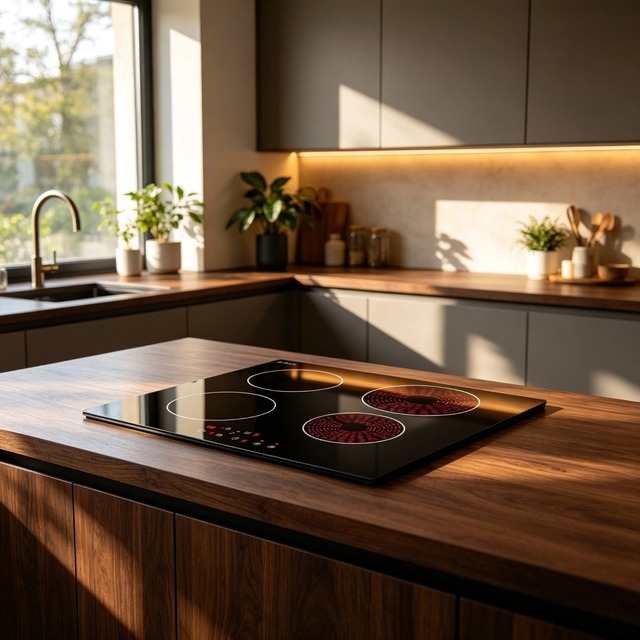
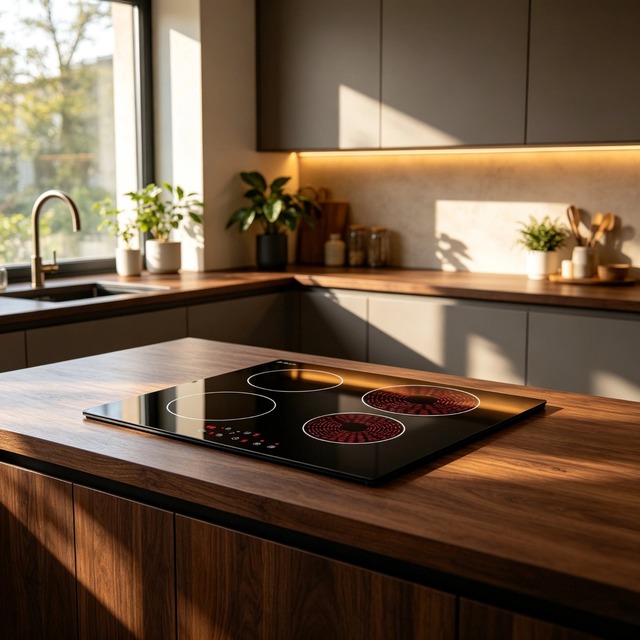
For B2B buyers in the kitchen appliance sector, energy efficiency is no longer a secondary consideration—it is a core purchasing criterion. As global markets tighten regulations and commercial kitchens seek to lower operating costs, understanding how induction cooktops are rated for efficiency becomes essential. This guide breaks down the science behind the ratings, what they mean for your product lineup, and why induction technology is leading the market.
The Science of Efficiency: Why Induction Leads the Market
To understand efficiency ratings, one must first understand how heat is generated. Conventional residential cooking tops typically employ gas or resistance heating elements to transfer energy with efficiencies of approximately 40–55%. In contrast, induction cooktops use electromagnetic fields to heat the cookware directly, bypassing the need to heat an intermediate element or the air around the pan. This direct transfer of energy results in significantly higher efficiency—often exceeding 80%—because less heat is lost to the surrounding environment.
This fundamental difference is why industry analysts project sustained growth for induction technology. According to market research, the global induction cooktop market was estimated at USD 5.97 billion in 2026 and is projected to reach USD 7.52 billion by 2035, growing at a CAGR of 2.6%. The home induction cooktop segment, particularly in the US market valued at approximately USD 3.2 billion in 2024, is benefiting from energy efficiency mandates, smart home integration trends, and a broader shift toward sustainable living. For B2B buyers, this data signals a clear direction: induction is not a niche product but a mainstream solution with growing demand.
What Efficiency Ratings Mean for Your Product Lineup
When evaluating induction cooktops for wholesale or OEM distribution, efficiency ratings translate into tangible benefits for end users. Higher efficiency means faster cooking times, lower electricity consumption, and reduced heat waste in the kitchen. For commercial or semi-professional environments, this directly impacts utility bills and kitchen comfort.
Induction surfaces also offer practical advantages that align with efficiency goals. Because the cooking surface itself does not get hot—only the pan does—there is less ambient heat, making the kitchen cooler and reducing the load on air conditioning systems. Additionally, the flat, smooth surface is easier to clean, which reduces maintenance time and water usage.
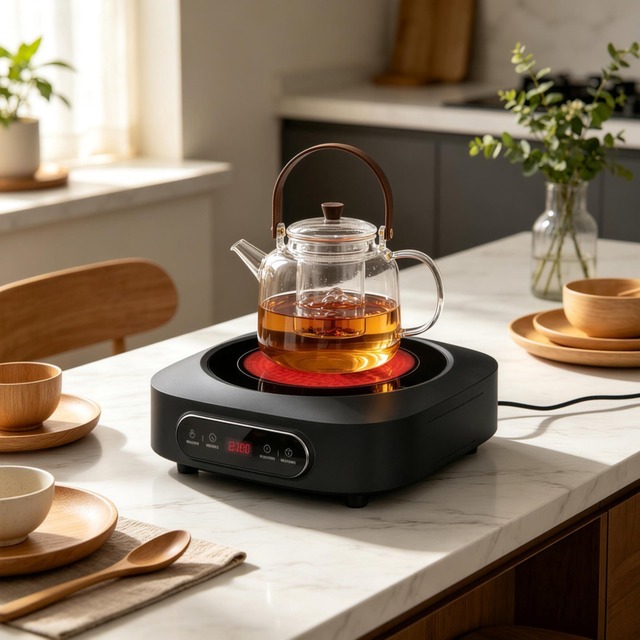
For buyers sourcing from manufacturers like Golenda Appliances, it is important to look at the specific power output and control features that complement efficiency. For example, the Golenda MMF01 4 Zone Built-in Induction Hob delivers a powerful 6500W total output across four distinct cooking zones, combining induction and ceramic technology in a single unit. With touch control and 9 power stage settings, this model offers precise energy management—users can match power output to the cooking task, avoiding wasted energy. Similarly, the Golenda CHK-CCA06-US portable induction cooktop delivers 1800W of total power in a compact countertop design, featuring touch keys with 6 red LED indicators and a three-digit segment display for precise control. These features are not just conveniences; they are tools for energy optimisation.
Portable induction cooktops are also part of the efficiency conversation. The global portable induction cooktop market was valued at $3.8 billion in 2025 and is projected to grow at a CAGR of 7.3% from 2026 to 2034, reaching approximately $7.2 billion by 2034. Asia Pacific dominates this segment, accounting for 42.6% of global revenue in 2025. For B2B buyers targeting space-conscious kitchens or compact living environments, portable models like the Golenda CHK-RTS8001—an 800W infrared cooktop with touch key controls and a built-in timer—offer an entry point into the efficiency market without requiring full built-in installation.
Comparing Induction to Gas and Electric: A Buyer’s Perspective
The debate between induction, gas, and conventional electric is well documented. Induction cooktops can transfer a greater proportion of the energy directly to the cookware than conventional electric models, making them more efficient for everyday cooking. When compared to gas, induction offers superior energy utilisation because gas burners lose a significant amount of heat to the air around the pan. In an Australian market comparison, strong energy efficiency ratings were highlighted as a key advantage for induction, particularly for brands like AEG, while gas options were noted for their reliability in mid-range products.
For B2B buyers, this comparison is not just about technology preference—it is about market positioning. In regions with strict energy efficiency regulations or high electricity costs, induction cooktops are easier to market and justify. In markets where gas infrastructure is deeply embedded, offering both gas and induction options in your lineup may be necessary. Golenda Appliances addresses this by manufacturing a range of cooking solutions, including a 3.3kW gas hob with 5 burners in stainless steel, which supports both LPG and NG. This allows buyers to diversify their catalogue based on regional demand.
The built-in induction cooktop market is also witnessing substantial growth, driven by increasing preference for efficient, safe, and technologically advanced appliances. For buyers sourcing built-in models, the Golenda 6500W 4 Zone Built-in Induction Hob is a strong candidate for premium lineups. Its mixed induction and ceramic design offers flexibility, while the 99-minute digital timer adds user convenience. When paired with complementary appliances like the Golenda 2900W single 70L built-in oven with turbo convection, buyers can offer a complete, energy-conscious kitchen solution.
Recent Company News
Golenda Appliances continues to publish B2B-focused guidance for buyers. Recent articles on the company blog include “Smart Kitchen Appliance Demand in Europe and USA: A 2026 B2B Sourcing Perspective,” “How to Choose a Reliable Kitchen Appliance OEM Manufacturer: A 2026 B2B Sourcing Guide,” and “Gas Hob vs Induction Cooktop: Which Fits Your Market in 2026.” These resources reflect the company’s commitment to educating buyers on market trends and sourcing strategies.
Conclusion
Energy efficiency ratings for induction cooktops are not just technical specifications—they are market signals. As global demand for energy-efficient cooking solutions grows, B2B buyers who understand these ratings can make informed sourcing decisions that align with regulatory trends and consumer preferences. Whether you are adding a portable model like the Golenda CHK-CCA06-US to your catalogue or a built-in powerhouse like the MMF01, the efficiency story is a compelling selling point. By partnering with a manufacturer that offers both induction and alternative cooking technologies, you can build a versatile, future-ready product lineup.
About Golenda Appliances
Golenda Appliances is a Chinese OEM/ODM kitchen appliance manufacturer specialising in induction cooktops, infrared cookers, gas hobs, built-in ovens, range hoods, dishwashers, and air fryers. The company offers OEM services and produces a range of built-in and portable cooking appliances designed for modern kitchens.
Sources
- https://golenda-appliances.com/energy-efficiency-ratings-for-induction-cooktops-explained/
- https://www.cronista.com/en/lifestyle/induction-vs-electric-cooktops-which-one-is-better-and-more-efficient/
- https://www.appliancegroup.com.au/blogs/news/induction-cooktops-vs-gas-which-is-right-for-your-kitchen
- https://www.businessresearchinsights.com/market-reports/induction-cooktop-market-122403
- https://www.linkedin.com/pulse/home-induction-cooktop-market-size-trends-2rncc
- https://dataintelo.com/report/global-portable-induction-cooktop-market
- https://markwideresearch.com/built-in-induction-cooktop-market/