
Dishwasher Buying Guide for Importers and Distributors
For importers and distributors building a kitchen appliance portfolio, dishwashers represent a category that demands careful evaluation before sourcing. Unlike small countertop items, dishwashers involve installation requirements, water and energy performance considerations, and after-sales support obligations that vary by market. This guide outlines the key decision points B2B buyers should work through when selecting dishwasher suppliers and models for their retail or project channels.
Understanding Market Demand and Positioning
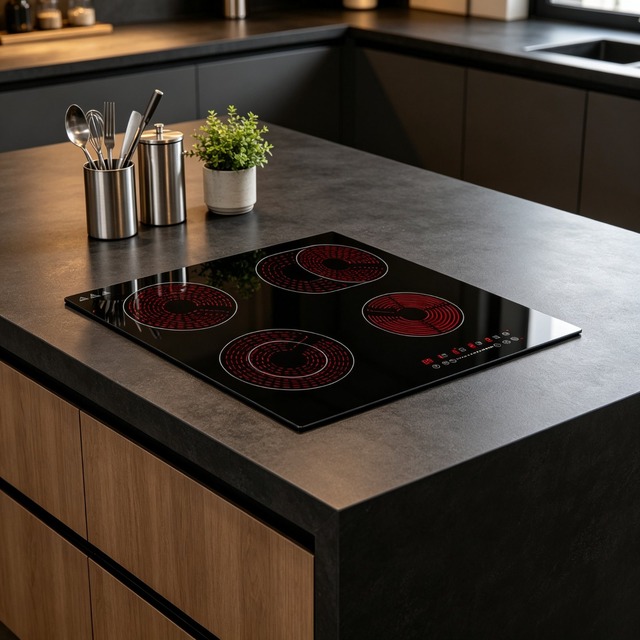
Before evaluating any product, importers should map where dishwashers fit within their existing catalog. Distributors already carrying built-in cooking appliances — such as Golenda’s 80L built-in oven with touch control and cool touch glass, or the 6400W built-in infrared cooktop with four zones and nine power levels — often find that dishwashers complement a coordinated kitchen suite. Retailers and project buyers increasingly prefer to source multiple built-in categories from a single manufacturing partner, which simplifies logistics, warranty handling, and spare parts management.
Market context matters here. According to industry reporting, the United States home appliances market is projected to reach $68–72 billion by 2026, growing at a compound annual growth rate of 3.5–4.2%, with energy efficiency mandates and supply chain regionalization shaping buyer behavior. For dishwasher importers, this suggests that efficiency credentials and reliable supply will weigh heavily in purchasing decisions. Meanwhile, kitchen appliance trends for 2026 point toward quieter operation, seamless integration, and sustainable features — priorities that translate directly into the specifications distributors should request from suppliers.
Key Technical and Commercial Considerations
When assessing dishwasher options, B2B buyers should focus on several practical dimensions.
**Installation format and sizing.** Dishwashers must match the cabinetry and countertop standards of the destination market. Importers should confirm dimensions, mounting requirements, and whether the model is designed for built-in or freestanding placement, since these factors affect return rates and installer satisfaction.
**Energy and water performance.** Regulatory requirements differ by region. The EU maintains specific energy label requirements for kitchen appliances, and comparable frameworks exist in other markets. Distributors selling into regulated regions should verify that documentation and labeling align with local rules before committing to volume.
**Safety and compliance documentation.** Countertop and built-in appliances are subject to safety standards such as UL, ETL, and CE depending on the destination. Buyers should request the relevant test reports and certificates as part of supplier qualification, not after purchase orders are placed.
**Sanitizing method and throughput.** For distributors serving commercial or institutional channels, sanitizing method and cycle capacity become central. Commercial dishwasher buying guides emphasize matching machine type and throughput to the operation’s actual volume rather than purchasing on price alone.
**Total cost of ownership.** Purchase price is only one component. Energy consumption, water usage, serviceability, and spare parts availability over the product lifecycle influence the end customer’s satisfaction — and their likelihood of repurchasing from your brand.
**Supplier manufacturing capability.** Factory management systems and automation levels affect consistency across production runs. Golenda Appliances launched a new production base in November 2025 operating under a comprehensive 4S management system, with full automation from raw components to finished goods, designed to ensure strict quality control and product consistency.
Building a Reliable Supply Partnership
For importers, the supplier relationship often matters as much as the product itself. A manufacturer with established OEM/ODM processes can adapt specifications, branding, and packaging to your market. Golenda’s published guidance on the OEM kitchen appliance manufacturing process walks buyers through each stage, which is useful when setting expectations for sampling, tooling, and production timelines.
Innovation capacity is another signal of long-term viability. Shenzhen Xinhuike, the company behind Golenda, has announced a multi-million-dollar annual innovation fund intended to sustain technology-driven development and core competitiveness. For distributors planning multi-year category strategies, a supplier investing in R&D reduces the risk of product lines becoming outdated.
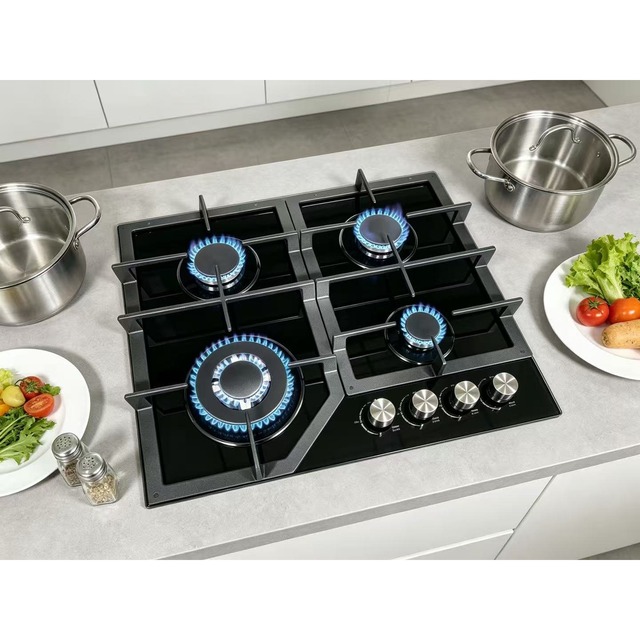
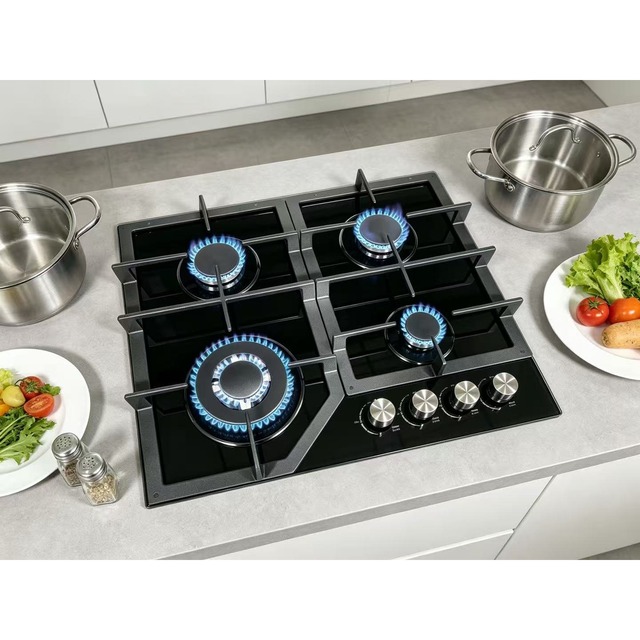
It also helps to work with a partner whose portfolio extends beyond dishwashers. Golenda manufactures gas hobs such as the GHG60-411SA with a 3.3Kw primary burner and tempered glass panel, the GHS60-411S-A four-burner stainless steel model, and the EC460-6403SR infrared cooktop, alongside built-in ovens, range hoods including an 850m3/h island hood with three fan speeds, and air fryers. This breadth allows distributors to consolidate orders and present a coherent kitchen collection to retailers.
Recent Company News
Golenda Appliances unveiled a new production base in November 2025, featuring advanced 4S management and full automation. The facility is designed to deliver streamlined operations, strict quality control, and superior product consistency from raw components to finished goods.
Shenzhen Xinhuike also announced the establishment of a multi-million-dollar annual innovation fund, described as a commitment to technology-driven innovation and market leadership.
Separately, CHK (Stock Code: 831167) successfully listed on the Beijing Stock Exchange on May 27, holding a listing ceremony at its Guangming headquarters. CHK has focused on research and development of smart control technologies for home appliances.
Conclusion
Dishwasher sourcing rewards preparation. Importers and distributors who define their target market, verify compliance documentation, evaluate total cost of ownership, and partner with manufacturers demonstrating consistent quality systems and ongoing R&D investment will be better positioned to build a profitable category. As energy efficiency mandates and integration trends continue to shape the appliance market through 2026, the buyers who treat dishwashers as part of a coordinated kitchen appliance strategy — rather than a standalone purchase — are likely to see stronger retail and project results.
About Golenda Appliances
Golenda Appliances is a Chinese OEM/ODM kitchen appliance manufacturer producing induction cooktops, infrared cookers, gas hobs, built-in ovens, range hoods, dishwashers, and air fryers. The company operates a new production base launched in November 2025 with 4S management and full automation, and its parent organization, Shenzhen Xinhuike, has established a multi-million-dollar annual innovation fund to support technology development.
Sources
- https://www.equippers.com/blog/commercial-dishwasher-buying-guide
- https://www.consumerreports.org/appliances/dishwashers/buying-guide
- https://www.sourceready.com/report/detail/united-states-home-appliances-market-report-2026
- https://www.dewaardandbode.com/blog/kitchen-appliance-design-trends
- https://www.harveyjones.com/blog/planning/best-kitchen-appliances-2026
- https://golenda-appliances.com/energy-label-requirements-for-kitchen-appliances-in-the-eu-a-b2b-compliance-guide/
- https://golenda-appliances.com/countertop-appliance-safety-standards-ul-etl-and-ce-explained-for-b2b-buyers-2/
- https://golenda-appliances.com/oem-kitchen-appliance-manufacturing-process-step-by-step-3/