
In the kitchen, cooktops serve as the core cooking equipment, and their technological development has always revolved around three key needs: efficiency, safety, and environmental friendliness. From traditional open flames to electromagnetic induction, from single‑function to smart‑integrated designs, different cooktop types vary significantly in technical principles, user experience, and application scenarios.
Analysis of Mainstream Cooktop Types and Core Features
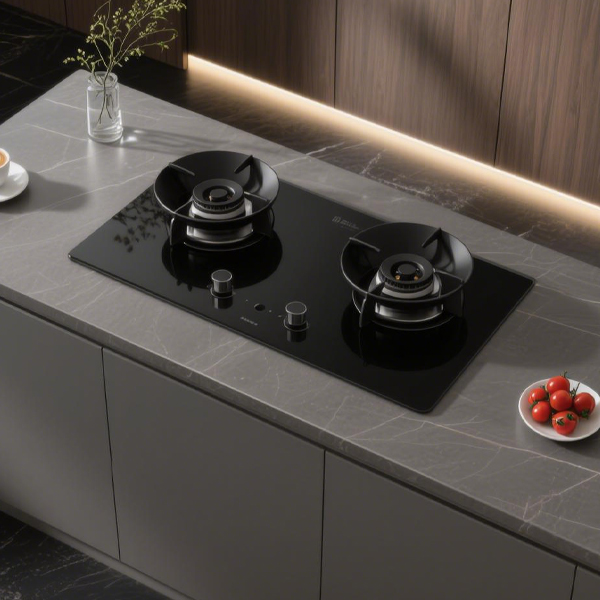
1. Gas Cooktops: The Classic and Durable Choice
Gas cooktops generate heat through the combustion of natural gas or liquefied gas. Their key advantages include fast heating response, precise firepower adjustment, and suitability for high‑heat Chinese cooking. However, the open‑flame nature leads to higher heat loss and lower energy efficiency. Safety risks such as gas leakage also exist, necessitating flame‑failure protection and gas‑leak alarms.
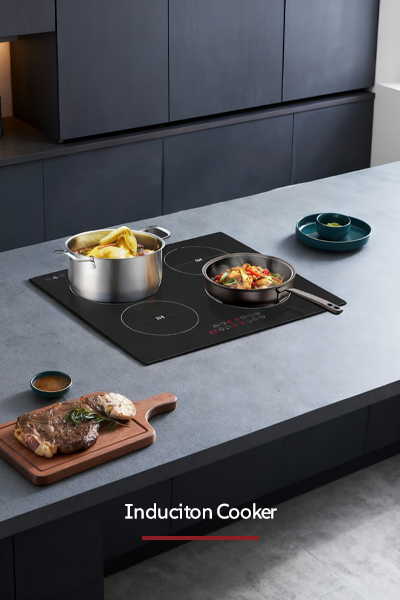
2. Induction Cooktops: The Efficient and Safe New Favorite
Induction cooktops use electromagnetic induction to directly heat ferromagnetic cookware, achieving “cookware‑self‑heating.” They offer significantly higher energy efficiency (over 85%) and faster heating speeds—boiling 2 liters of water in half the time of a gas cooktop. The surface itself does not get hot, reducing burn risks, and there is no open flame or smoke, aligning with modern clean‑kitchen needs.
3. Infrared Cooktops: An Eco‑Friendly Upgrade
Infrared cooktops use porous ceramic or metal infrared radiation plates for flameless combustion. They combine the cookware compatibility of gas cooktops with the energy efficiency of induction, offering 15%–20% higher thermal efficiency than traditional gas models. Combustion is more complete, reducing carbon monoxide emissions and preventing blackened pot bottoms.
4. Ceramic Cooktops: A Balance of Aesthetics and Practicality
Ceramic cooktops use electric heating elements under a smooth glass‑ceramic surface. Their main advantage is a sleek, easy‑to‑clean design that fits modern kitchens. Heating is gentle and uniform, ideal for simmering and baking, and they are compatible with most heat‑resistant cookware.
Key Industry Trends
Modern cooktops are increasingly incorporating smart control technologies such as remote operation, preset cooking modes, and automatic temperature adjustment. With stricter environmental policies, low emissions and high energy efficiency have become central to cooktop development. Different needs between household and commercial users are driving product specialization—household models are becoming more compact and multi‑functional, while commercial models emphasize high power and compliance with catering industry standards.