
Gas Oven vs Electric Oven: Which Fits Your Retail Market
For kitchen appliance importers, distributors, and retail buyers, the gas-versus-electric oven debate is more than a matter of chef preference—it is a strategic inventory decision. Consumer Reports notes that gas ranges narrowly edge out electric in baking performance, with over 70 percent of gas models earning Excellent or Very Good ratings. Yet electric ovens dominate in even cooking, modern features, and design flexibility. Understanding these differences—and how regional trends are shifting—will help you stock the right mix for your market.
The Core Differences: Heat, Cost, and Cooking Behavior
**Gas ovens** use an open flame to generate heat, which means they warm up quickly and retain moisture well. This makes them particularly suited for roasting meats and casseroles, as the humid heat helps lock in juices. Gas is also generally cheaper to operate in many regions, though installation costs tend to be higher because of the need for a gas line and proper ventilation. For commercial kitchens, gas ranges are often preferred for their rapid heat response and high cooking power, as highlighted by Katom’s restaurant equipment guide.
**Electric ovens**, by contrast, rely on heating elements that produce dry, consistent heat. This uniformity is ideal for baking pastries, breads, and cakes, where temperature stability matters most. Electric models also offer more design versatility—they can be installed as wall ovens, slide-in ranges, or built-in units without the constraints of gas plumbing. Modern electric ovens frequently include convection fans, smart controls, and self-cleaning cycles, features that increasingly influence retail purchasing decisions.
From a B2B perspective, the choice affects your supply chain and after-sales support. Gas ovens require certified installation and gas-specific safety checks, while electric models are simpler to plug in and service. If your target market includes dense urban apartments or regions with strict emissions regulations, electric and induction options are becoming the safer bet.
Regional Trends and the Shift Toward Induction
The broader cooking appliance market is moving decisively toward electric and induction technology. According to industry data from the Mordor Intelligence report, the residential induction cooktops market is expected to grow from USD 16.49 billion in 2025 to USD 23.90 billion by 2031, at a CAGR of 6.39 percent. Europe is leading this shift, holding a 38.6 percent share of the global household induction cooktop market in 2026, driven by high electricity costs, strict environmental regulations, and government incentives that favor energy-efficient appliances.
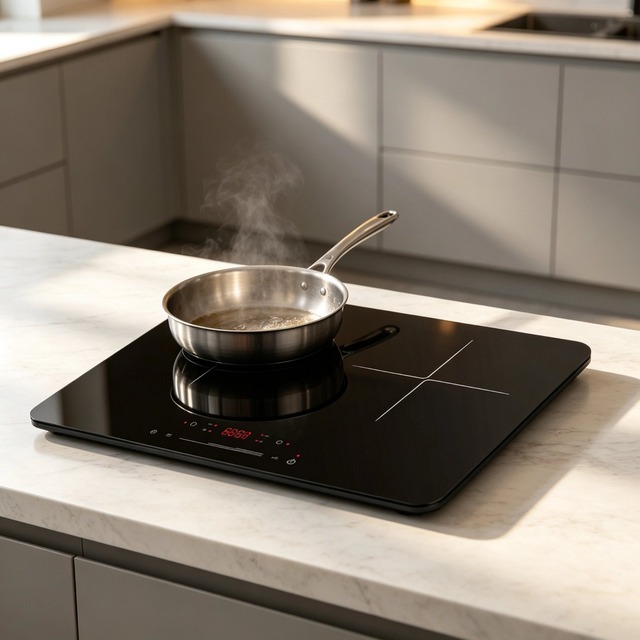
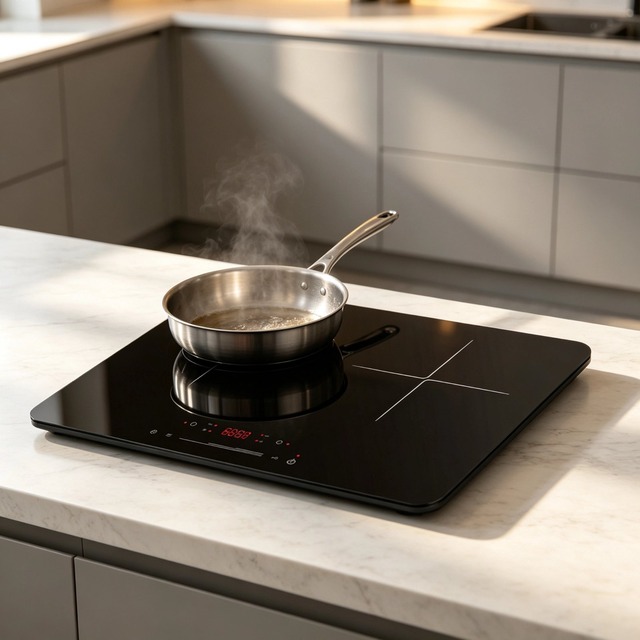
For retailers, this means the traditional gas-versus-electric binary is expanding. Induction cooking—which uses electromagnetic energy to heat pans directly—offers the speed of gas with the precision and safety of electric. The U.S. market is also catching up: the U.S. induction cooktops market was valued at USD 3.23 billion in 2025 and is projected to reach USD 4.62 billion by 2035, according to SNS Insider. Climate policies and growing health consciousness about indoor air quality are accelerating adoption, as noted in the czckitchen adoption report.
What does this mean for your oven inventory? While gas ovens still hold strong in markets with abundant natural gas infrastructure and lower fuel prices, electric ovens—and increasingly induction-compatible cooktops—are aligning with the 2026 kitchen appliance trends of sustainability, smart integration, and reduced running costs. The SBID report on Miele’s 2026 trends highlights growing consumer interest in intelligent cookware and precision-led cooking, while Yahoo Shopping’s appliance trends piece notes that clients are increasingly choosing induction cooking and advanced ventilation to lower running costs without sacrificing performance.
Building a Balanced Retail Portfolio
For importers and wholesalers, the smartest approach is not to pick one technology but to offer a range that matches your market’s infrastructure and consumer preferences. In North America, where gas infrastructure is widespread, gas ovens remain a reliable bestseller for value-focused buyers. In Europe and increasingly in urban U.S. markets, electric and induction models are gaining shelf space due to efficiency mandates and design trends.
Golenda Appliances supports this balanced strategy with a product line that spans both portable and built-in cooking solutions. For retailers looking to capture the induction trend, the **Golenda CHK-DS3502 portable induction cooktop** delivers dual-zone cooking with a total power of 2KW+2KW (max 3.5KW), making it suitable for both professional and residential countertop use. The **Golenda CHK-S2105** offers a compact 2000W portable induction hob in a slim W295 x D375 x H60mm footprint, ideal for small kitchens and apartment dwellers.
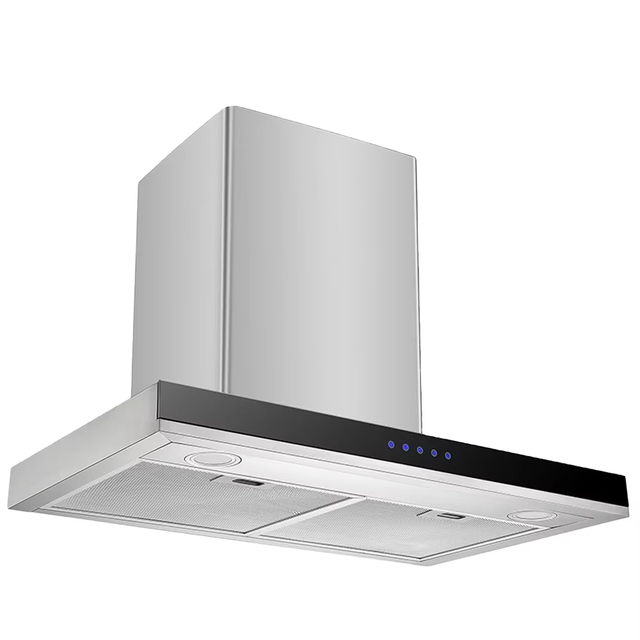
For built-in applications, the **Golenda CHK-ID3002 Domino built-in induction hob** provides 3000W across two 165mm cooking zones with nine power stages and a 99-minute digital timer. The larger **Golenda CHK-IT5501** is a 5500W three-zone built-in induction hob with a booster function for rapid heating, designed for demanding commercial and residential kitchens. To complete the kitchen package, Golenda also offers the **5W wall-mounted chimney range hood** with dual LED lighting, engineered to pair with gas or induction cooktops, and the **TDQR03A built-in dishwasher** with dual voltage support and CE/CB/ETL certifications.
Recent Company News
Golenda Appliances has made significant strides in manufacturing and corporate growth. In November 2025, the company launched a new production base operating under a comprehensive 4S management system, ensuring streamlined operations, strict quality control, and superior product consistency from raw components to finished goods. The facility features full automation, reinforcing Golenda’s commitment to manufacturing excellence.
Additionally, the parent company CHK (Stock Code: 831167) successfully listed on the Beijing Stock Exchange on May 27, marking its official entry into the capital market. This milestone supports Golenda’s long-term investment in smart control technologies for home appliances. The company has also established a multi-million-dollar annual innovation fund to drive core competitiveness and overcome external challenges, underscoring a philosophy of technology-driven innovation.
Conclusion
The gas oven versus electric oven decision is not a one-size-fits-all answer. Gas offers lower operating costs and superior moisture retention for roasting, while electric provides even baking and modern design flexibility. However, the 2026 market landscape is increasingly favoring electric and induction technologies, driven by energy efficiency mandates, sustainability concerns, and consumer demand for smart, precision-led cooking.
For B2B buyers, the winning strategy is diversification. Stock gas ovens for markets with established gas infrastructure, but grow your electric and induction offerings to capture the accelerating shift toward cleaner, more efficient cooking. Golenda Appliances is positioned to support this transition with a versatile range of portable and built-in induction cooktops, range hoods, and dishwashers, all backed by a manufacturer committed to innovation and quality.
About Golenda Appliances
Golenda Appliances is a Chinese OEM/ODM manufacturer specializing in kitchen appliances, including induction cooktops, infrared cookers, gas hobs, built-in ovens, range hoods, dishwashers, and air fryers. The company operates a fully automated production base with 4S management and is backed by the publicly listed parent company CHK. Golenda offers OEM customization to support retail brands in delivering reliable, modern cooking solutions to their markets.
Sources
- https://www.txappliance.com/blog/gas-oven-vs-electric-oven
- https://www.dewaardandbode.com/blog/baking-battle-gas-vs-electric-ovens-which-is-right-for-you
- https://www.katom.com/learning-center/comparing-gas-vs-electric-in-the-restaurant-equipment-arena-katom.html
- https://www.consumerreports.org/appliances/ranges/gas-or-electric-range-which-is-better-a1142956590
- https://www.sbid.org/11-key-kitchen-appliance-trends-for-2026-from-miele
- https://shopping.yahoo.com/home-garden/kitchen/articles/5-kitchen-appliance-trends-youll-060000542.html
- https://www.mordorintelligence.com/industry-reports/residential-induction-cooktops-market
- https://www.coherentmarketinsights.com/market-insight/household-induction-cooktops-market-4572
- https://czckitchen.com/induction-cooktop-rate
- https://www.snsinsider.com/reports/induction-cooktops-market-9823