
How to Choose a Reliable Kitchen Appliance OEM Manufacturer: A 2026 B2B Sourcing Guide
For B2B buyers—whether you are a distributor, retailer, or brand owner—selecting the right kitchen appliance OEM manufacturer is one of the most consequential decisions you will make. The wrong partner can lead to quality control failures, certification gaps, and intellectual property risks. The right one, however, becomes a long-term engine for market growth. With the global induction cooktop market estimated at USD 5.97 billion in 2026 and projected to reach USD 7.52 billion by 2035, the stakes are higher than ever. This guide outlines the critical criteria for evaluating potential partners, from production capability to compliance, so you can source with confidence.
Core Criteria for Evaluating OEM and ODM Partners
Before you sign any agreement, you must establish a clear framework for evaluation. According to industry guidance on avoiding common sourcing mistakes, the first step is to understand the difference between OEM and ODM. An OEM manufacturer produces products based on existing designs, making minor modifications and adding your brand label. An ODM partner, by contrast, offers original designs that you can customize and brand as your own. Knowing which model fits your business strategy will narrow your search significantly.
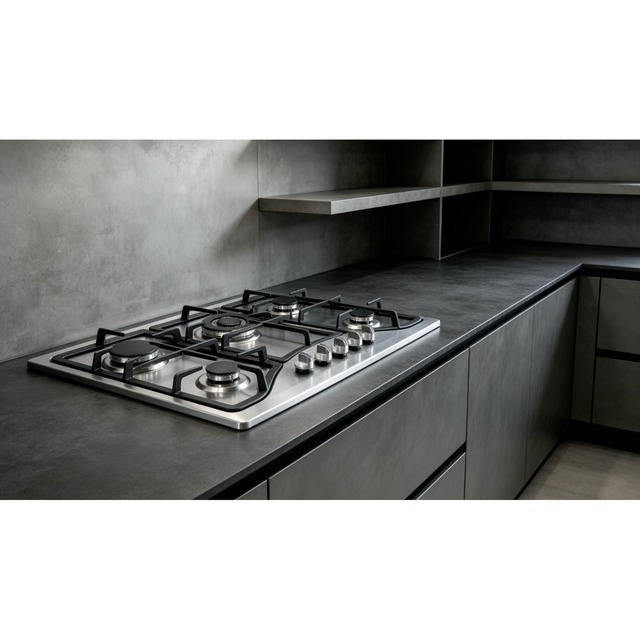
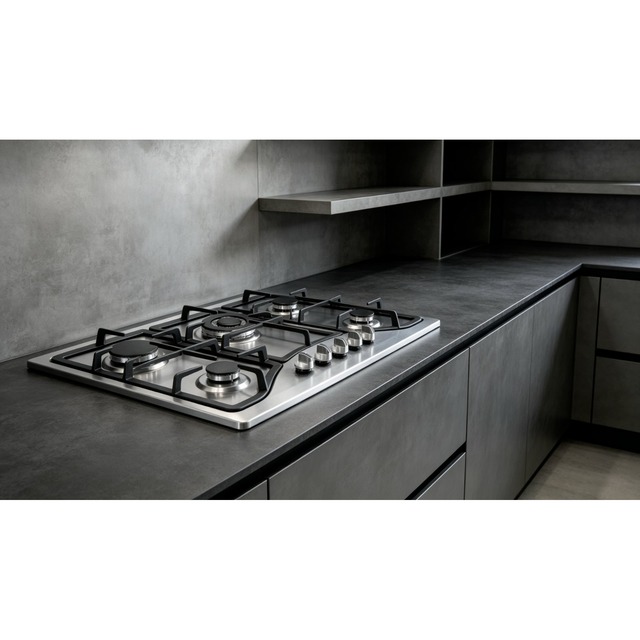
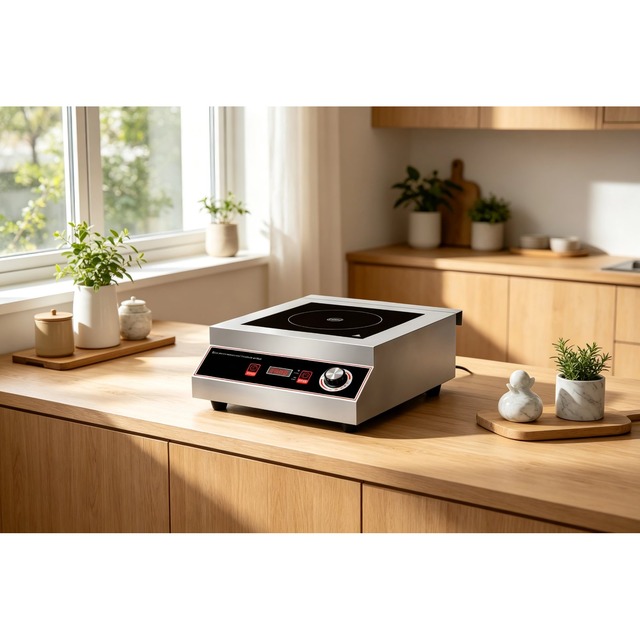
Next, assess the manufacturer’s product portfolio. A reliable partner should demonstrate depth across multiple categories, not just a single SKU. For example, a manufacturer like Golenda Appliances offers a diverse range including built-in gas hobs, portable induction cooktops, infrared cookers, and air fryers. This breadth signals production flexibility and supply chain maturity. When reviewing a portfolio, look for specific, verifiable technical details—such as power ratings, dimensions, and control interfaces—rather than vague marketing claims. For instance, a 3.3kW gas hob with a stainless steel panel and cast iron pan support indicates a focus on durable, high-performance components. Similarly, a 7000W built-in induction hob with four independent zones and touch control demonstrates engineering sophistication.
Quality control is non-negotiable. You should ask potential manufacturers about their inspection processes, from incoming raw materials to final assembly. While certifications are covered in the next section, the internal quality culture matters just as much. Request information on failure rates, after-sales service protocols, and warranty terms. A manufacturer that openly shares this data is more likely to be transparent in other areas. Additionally, consider visiting the factory or requesting a virtual tour. Seeing the production line, testing equipment, and warehouse conditions firsthand—or via live video—provides invaluable insight into operational discipline.
Certifications, Compliance, and Intellectual Property Protection
In the kitchen appliance industry, certifications are not optional; they are market access tickets. Different regions require different compliance standards, and a reliable manufacturer will have experience navigating these. When evaluating a partner, ask for a matrix of their certifications across product lines. For example, Golenda lists products with CE, CB, and GS certifications, covering European and international markets. These marks indicate that the products have been tested for safety, electromagnetic compatibility, and performance. If you are targeting the US market, look for UL or ETL certifications. For other regions, research local requirements and verify that the manufacturer can provide the necessary documentation.
Intellectual property (IP) protection is a common pain point for B2B buyers, especially when working with overseas factories. A professional manufacturer will have clear policies regarding mold ownership, design confidentiality, and exclusive production rights. Before engaging, clarify who owns the tooling and designs. If you are commissioning a custom product, ensure that the agreement specifies IP transfer or licensing terms. Reputable manufacturers will not hesitate to sign non-disclosure agreements (NDAs) and will respect your brand’s proprietary elements. Conversely, be wary of partners who are vague about IP or who push you toward generic designs without a clear ownership structure.
Beyond certifications, consider the manufacturer’s alignment with market trends. The industry is shifting toward energy-efficient and smart cooking solutions, as noted in recent market analyses. A forward-thinking OEM will invest in R&D for features like IoT connectivity and intelligent user interfaces. When reviewing their catalog, look for evidence of innovation—such as touch controls, timers, and transparent viewing windows in air fryers. These features not only meet consumer demand but also reduce your time-to-market for new product launches. A manufacturer that anticipates trends, rather than merely reacting to them, is a strategic asset.
Recent Company News
Golenda Appliances has been actively publishing industry insights to support B2B buyers. Recent blog posts include a 2026 guide on commercial kitchen appliance maintenance best practices, a comparison of gas hobs versus induction cooktops for market fit, a range hood CFM guide for extraction power selection, and an analysis of air fryer market trends for 2026. These resources demonstrate the company’s commitment to educating buyers and sharing practical knowledge, which is a positive signal for potential partners.
Conclusion
Choosing a reliable kitchen appliance OEM manufacturer requires diligence across multiple dimensions: product portfolio depth, quality control rigor, certification compliance, and IP protection. The market is growing—with induction cooktops alone projected to expand at a CAGR of 2.6% through 2035—but so is the complexity of sourcing. By asking the right questions and demanding verifiable evidence, you can mitigate risks and build a partnership that supports your brand’s long-term success. Prioritize manufacturers who demonstrate transparency, technical expertise, and a proactive approach to industry trends. The right partner will not just manufacture products; they will help you navigate the evolving landscape of kitchen appliance demand.
About Golenda Appliances
Golenda Appliances is a Chinese OEM/ODM manufacturer specializing in kitchen appliances, including induction cooktops, infrared cookers, gas hobs, built-in ovens, range hoods, dishwashers, and air fryers. The company offers a range of products such as the 3.3kW built-in gas hob with five burners, the 7000W built-in induction hob with four zones, the 5200W infrared cooktop with three zones, and the 3.5L air fryer with a transparent window. Golenda also provides educational resources for B2B buyers through its blog, covering topics from maintenance best practices to market trend analysis.
Sources
- https://kodiohome.com/kitchen-appliance-manufacturer-mistakes/
- https://longbank.com/kitchen-appliance-manufacturer/
- https://www.businessresearchinsights.com/market-reports/induction-cooktop-market-122403
- https://www.verifiedmarketreports.com/product/smart-induction-cooktop-market/
- https://www.accio.com/business/trend-of-commercial-induction-cooker-2026