
Commercial Kitchen Appliance Maintenance Best Practices: A 2026 B2B Guide
For B2B buyers, restaurant operators, and hospitality procurement teams, the longevity and reliability of commercial kitchen appliances directly impact operational uptime, food safety, and the bottom line. While purchasing high-performance equipment is the first step, implementing a disciplined maintenance regimen is what separates thriving kitchens from those plagued by costly breakdowns. This guide outlines the core best practices every commercial kitchen operator should adopt in 2026, with a focus on the specific care requirements of modern induction cooktops, ovens, and ventilation systems.
The Core Principles of Preventive Maintenance
Commercial kitchens are high-stress environments. Spills, grease, thermal cycling, and continuous use take a toll on even the most robust equipment. The industry consensus is clear: preventive maintenance—routine inspections, servicing, and cleaning—is far more cost-effective than reactive repairs. As noted in industry guidance, fixing a worn gasket or cleaning a condenser coil early is significantly less expensive than replacing a failed compressor or circuit board. The goal is to identify problems before they escalate into downtime.
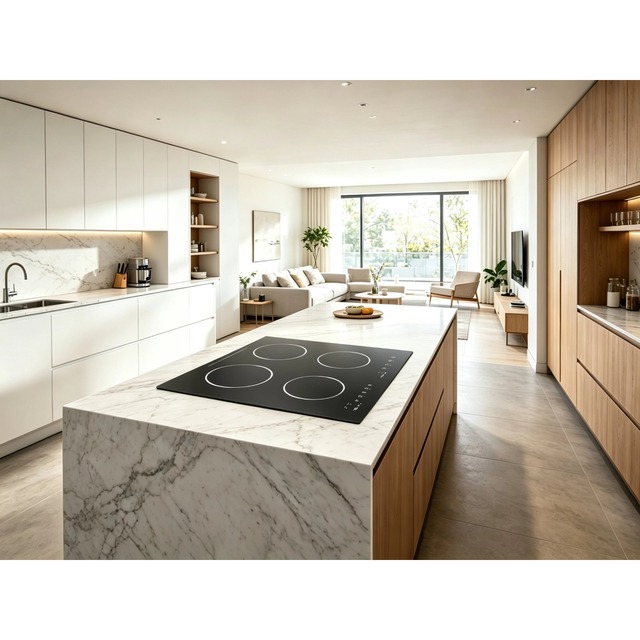
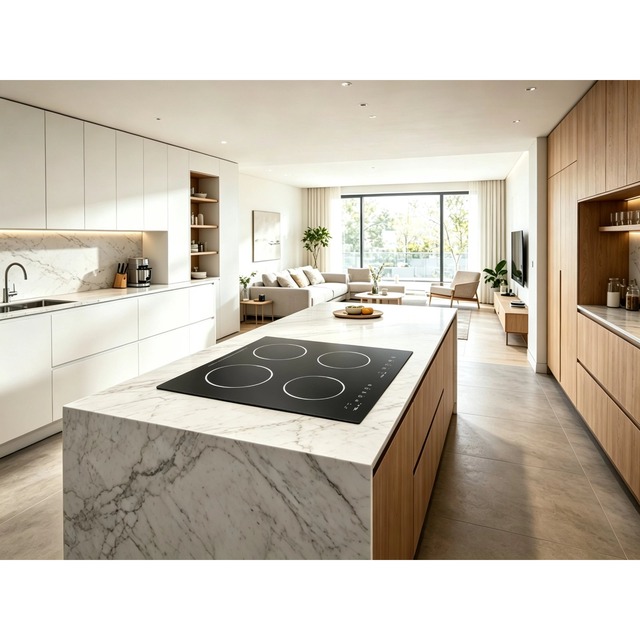
**Establish a Routine Inspection Checklist.** Every piece of equipment, from a 6000W built-in induction hob to a wall-mounted range hood, should have a documented inspection schedule. For cooking surfaces, this means daily checks for debris, food particles, and grease accumulation on control panels and heating zones. For ventilation, it involves verifying that fan speeds are responsive and that filters are free from obstruction. A standardized checklist ensures that no component—whether a touch control panel or a gas burner—is overlooked.
**Prioritize Cleaning and Sanitization.** Grime and bacteria can accumulate on ovens, cooktops, and surrounding surfaces, compromising both performance and hygiene. For induction hobs, the smooth glass-ceramic surface is an advantage: it does not retain heat like a gas flame, and spills do not burn onto the surface. However, this requires a specific cleaning protocol. Use a soft, damp cloth and a dedicated ceramic hob cleaner to remove residue. Avoid abrasive pads, which can scratch the polished black crystal plates found on models like the Golenda ALP-I20 dual-burner portable induction cooktop. For built-in ovens, such as the Golenda 80L Gas & Electric model, regular cleaning of the interior cavity and the double-glazed door is essential to prevent carbon buildup, which can affect heat distribution and the accuracy of the 120-minute timer mechanism.
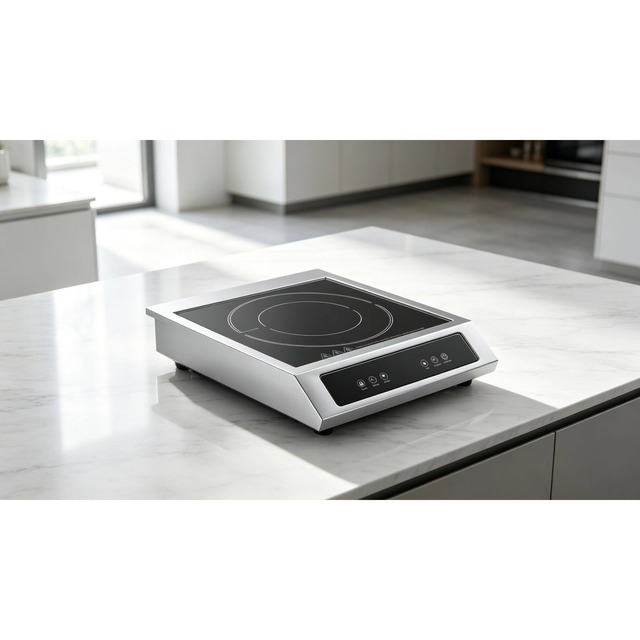
**Calibrate and Test Controls.** Modern appliances rely on sensitive electronics. Touch controls and digital displays should be tested regularly to ensure accurate response. For induction cooktops with multiple power gears—such as the Golenda 3500W portable unit with 11 stages—verify that each setting delivers the expected heat output. If a gear becomes unresponsive, it may indicate a failing sensor or a connection issue that requires professional service. Similarly, for gas and electric hybrid ovens, ensure that both the bottom gas burner (2200W) and the upper electric pipe (1800W) ignite and heat evenly.
Specialized Care for High-Performance Equipment
Not all appliances require the same maintenance approach. The shift toward induction technology, which is growing at a compound annual growth rate of approximately 5.9% to 15.4% depending on the market segment, demands specific attention to airflow and electrical components.
**Induction Cooktops: Ventilation and Electrical Integrity.** Induction hobs generate heat directly in the pan, but the internal electronics—IGBTs, coils, and cooling fans—still generate significant heat. These units rely on internal fans to dissipate heat. Blocking ventilation slots can lead to thermal shutdown or permanent damage. Ensure that the installation cavity for built-in models, like the Golenda 6000W 4-burner induction hob, allows for adequate airflow. For portable units used on countertops, keep the underside clear and never operate them on soft surfaces that could obstruct vents. Periodically check the power cord and plug for signs of wear, especially in high-traffic B2B environments where cables may be pulled or pinched.
**Range Hoods: Filter Maintenance is Non-Negotiable.** A range hood’s primary function is to remove grease, smoke, and odors. The Golenda wall-mounted range hood (model CN60IX-A-N1P1L) with a 750 m³/h airflow and three fan speeds is only as effective as its filters. Grease filters should be cleaned weekly—or more often in high-volume kitchens—using hot, soapy water or a commercial degreaser. Clogged filters restrict airflow, force the AC motor to work harder, and reduce extraction efficiency. This not only impacts kitchen air quality but also increases energy consumption and wear on the motor. Inspect the ducting for grease buildup annually, as this is a significant fire hazard.
**Built-in Ovens: Door Seals and Mechanical Parts.** For built-in ovens, the door gasket is a critical component. A worn or damaged seal allows heat to escape, increasing cooking times and energy costs. Test the seal by closing the door on a piece of paper; if you can pull the paper out with minimal resistance, the gasket may need replacing. The double-glazed door on models like the Golenda 80L oven should be checked for cracks or condensation between the panes, which indicates a broken seal. For mechanical controls, such as the knob-operated timer, ensure that the knobs turn smoothly and that the audible alarm functions correctly.
Recent Company News
Golenda Appliances, a brand under Shenzhen Xinhuike, continues to invest in manufacturing excellence and innovation. In November 2025, the company launched a new production base operating under a comprehensive 4S management system, ensuring streamlined operations and strict quality control from raw components to finished products. This facility underscores the company’s commitment to product consistency for its OEM and ODM partners.
Additionally, the parent company has established a multi-million-dollar annual innovation fund to drive core competitiveness and overcome external challenges. This strategic initiative is designed to fuel sustained creativity and technological advancement in smart control technologies for home appliances. In a related milestone, CHK (Stock Code: 831167) successfully listed on the Beijing Stock Exchange on May 27, marking the company’s official entry into the capital market and opening a new chapter of growth. These developments reflect a stable, forward-looking manufacturing foundation for B2B buyers seeking long-term supply partnerships.
Conclusion
Effective commercial kitchen maintenance is not a reactive task—it is a strategic operational practice. By implementing routine inspections, prioritizing rigorous cleaning, and understanding the unique needs of induction, gas, and ventilation equipment, operators can extend the lifespan of their assets, reduce energy consumption, and avoid costly downtime. For B2B buyers, partnering with a manufacturer that emphasizes quality control—like Golenda Appliances with its 4S-managed production base—provides a solid foundation. However, the responsibility for daily upkeep rests with the kitchen team. A well-maintained kitchen is a profitable kitchen.
About Golenda Appliances
Golenda Appliances is a professional Chinese OEM/ODM manufacturer of kitchen appliances, including induction cooktops, infrared cookers, gas hobs, built-in ovens, range hoods, dishwashers, and air fryers. The company operates a new production base under a 4S management system and is backed by a multi-million-dollar annual innovation fund. Golenda’s product lineup includes high-performance units such as the 6000W built-in induction hob, the 3500W portable induction cooktop (single and dual zone), the 1800W 120V portable model, the 80L gas & electric built-in oven, and the wall-mounted range hood with 750 m³/h extraction. For B2B inquiries, visit golenda-appliances.com.
Sources
- https://thepkigroup.com/commercial-kitchen-maintenance-best-practices-to-reduce-long-term-costs
- https://quickservant.com/maintaining-commercial-kitchen-equipment
- https://www.mytech24.com/news/the-ultimate-guide-to-preventive-maintenance-for-restaurants
- https://mitti.com/topics/kitchen-safety/kitchen-equipment-maintenance
- https://www.mordorintelligence.com/industry-reports/induction-cooktops-market
- https://czckitchen.com/induction-cooktop-rate