
When specifying induction cooking equipment for a commercial kitchen, one of the first decisions is whether to use built-in (flush-mounted) or countertop (freestanding) units. Both have their place in professional foodservice environments, and the right choice depends on installation context, kitchen permanence, and operational requirements.
Built-in Induction Cooktops
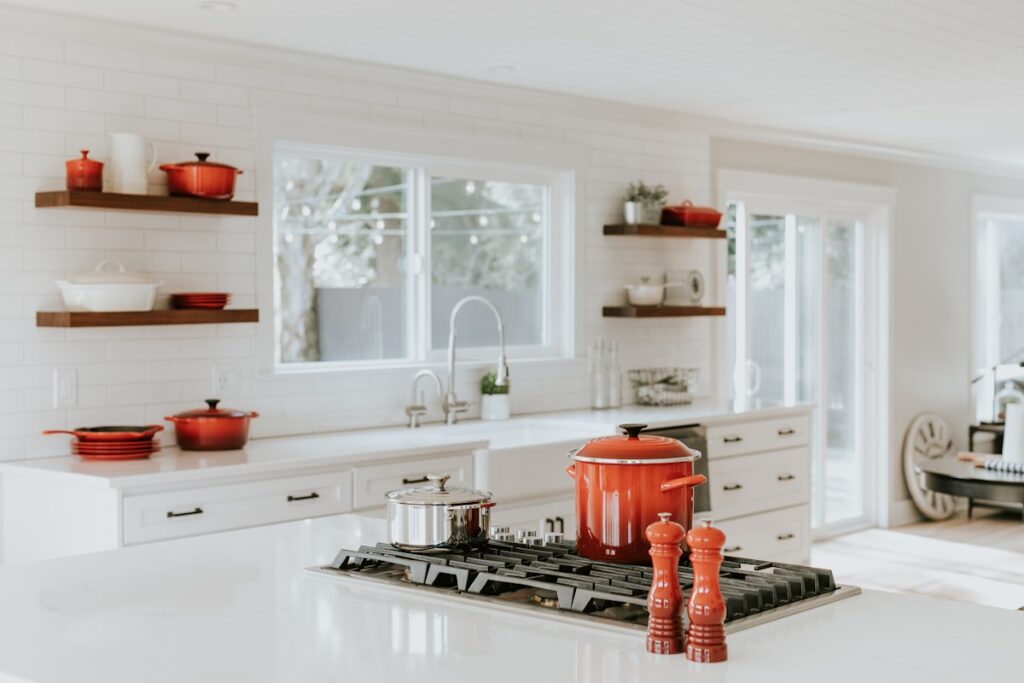
Built-in units are designed to be cut into and mounted flush with a countertop surface. The cooking surface sits level with or slightly above the surrounding counter, with the unit body below the counter in a cabinet space.
Hygiene advantages: The flush or near-flush surface eliminates edges and gaps where food debris and liquid accumulate. In a commercial kitchen where hygiene inspection standards are stringent, this makes a meaningful practical difference in daily cleaning time and end-of-day compliance.
Professional installation: Built-in units become a permanent part of the kitchen infrastructure. They are harder to reposition, but this permanence is an advantage in a stable kitchen design — the cooking station stays where it belongs.
Higher duty cycle ratings: Built-in commercial models are generally engineered for continuous heavy-use operation. They typically have more robust cooling systems and higher-rated internal components than portable countertop units.
Installation requirement: Built-in models require a qualified kitchen installer and, for high-wattage units, a qualified electrician. The installation cost should be factored into the total investment.
Countertop Induction Cooktops
Countertop units sit on top of the work surface. Lower-wattage models plug into standard outlets; higher-wattage models may be hardwired or connected via heavy-duty plugs.
Flexibility: Countertop units can be repositioned, moved between stations, or removed entirely. This suits kitchens that change layout seasonally, catering operations that cook in different locations, and temporary food service setups.
Lower initial cost: No installation work is required for most countertop models. The unit arrives and can be operational within minutes of unpacking.
Practical limitations: Countertop units take up active work surface space. Multiple units create cable management challenges. Lower-end countertop models may not carry commercial-grade duty cycle ratings — always confirm whether a unit is rated for continuous use or intermittent domestic-style use.
Which to Choose
For permanent commercial kitchen installations — restaurants, hotel kitchens, institutional catering — built-in is almost always the more practical long-term choice. For catering operations, food trucks, supplementary stations, or any context requiring portability, countertop units are the right specification. Many commercial kitchens use both: built-in on the main cooking line and countertop units for flexible secondary stations.
Golenda Appliances manufactures both built-in and countertop commercial induction cooktops. Contact us to get the right specification for your project.